
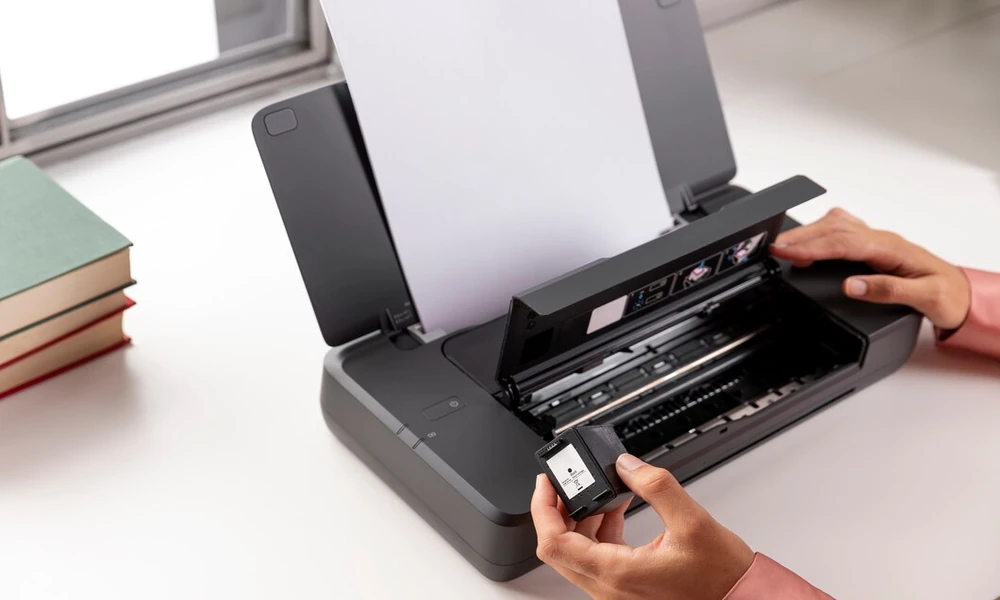
Businesses that print a lot need a printer that can handle high volume without interruptions. Before you buy the best printer for your office, review its print speed (in pages per minute, or PPM) and the number of pages it is designed to print each month. The duty cycle is the maximum load a device can handle, but the recommended duty cycle is a better indicator of how the device should be used. Consider paper capacity, acceptable paper sizes, duplex printing, processor speed, print resolution, connectivity, and toner capacity. This helps businesses determine whether a printer can handle operational demands and output at the same quality.
To understand the needs of business printing
When considering office equipment, start by understanding how employees use documents, invoices, reports, and marketing materials. navo supplies may be a helpful resource for those companies looking into printing equipment and office supplies. If you print many text documents, laser printers may be appropriate for high-volume offices, as they tend to be faster and provide sharper text. But companies that print photos and color graphics will need different features. Compare network connectivity (Ethernet, Wi-Fi) and mobile printing support and security.
Sustainability in terms of cost effectiveness
The cost of running a printer is usually not the same as the price of the printer. Companies should consider toner or ink costs, maintenance needs, parts, energy use, and warranties. The best budget printers offer reasonable running costs, not just the lowest up-front price. Check whether high-yield cartridges are available and whether the device supports automatic duplex printing to conserve paper. When printing deadlines are tight, reliability matters too. A model with sufficient memory, reliable paper handling, and easy technical support can help reduce downtime. By reviewing these details in advance, you can avoid unnecessary costs as print needs increase.
The choices for a Healthier Office Technology Decision
Office furniture can affect the comfort and environment of the space. Consider printer placement, airflow, noise, and the manufacturer’s guidance on handling toner and replacing consumables. Ensure equipment is not placed where it could create noise or heat for employees, and follow instructions as needed for safety. When looking at best printer options, businesses should consider capacity, security, efficiency, and maintenance. When evaluating office printing needs, consider ongoing supplies. Finally, the best option isn’t based on a single specification; it depends on workload, reliability, operating cost, and employee comfort.