


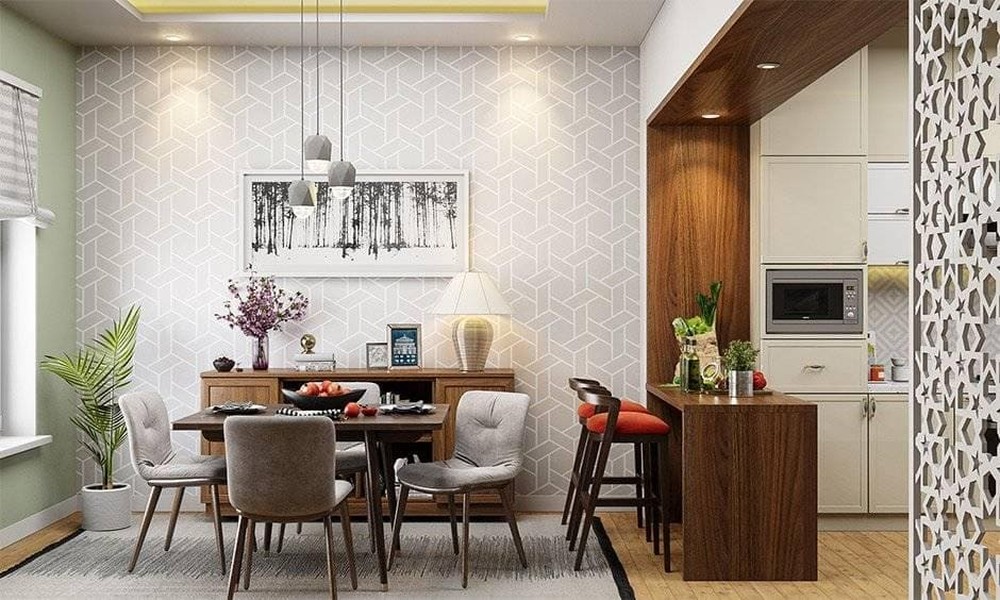
A dining table anchors a home’s energy, shaping the atmosphere for meals and memories alike. Yet, finding the right fit is rarely as simple as picking a favorite shape or material. Room size, table design, material durability, seating, and even your lifestyle all play vital roles. So, how do you select the perfect table that elevates both your space and your daily rituals?
Understanding Room Sizes and Their Impact on Dining Table Choice
A grand table may captivate in a showroom, but in a city apartment, it can quickly overwhelm. Start by measuring your dining area, not just the room, but also any circulation paths. The right table feels proportional, leaving enough space for chairs and movement.
Small Spaces: Maximizing Functionality Without Clutter
Compact dining rooms demand creativity. Drop-leaf, round, or slim-profile tables conserve space and offer flexibility. Choose light-colored finishes or glass tops to visually expand the area, and consider benches or stackable chairs to maximize seating when guests arrive.
Medium Rooms: Balancing Comfort and Style
A medium-sized room invites more options. Rectangular tables seat more people without cramping the space, and extendable models adapt to dinner parties or quiet weeknights. Focus on balancing table size with other furnishings, avoid pushing the table against the wall, which can hinder flow.
Large Dining Areas: Making a Statement with Scale
Expansive spaces encourage bold choices. Oversized tables in dramatic materials can serve as the room’s focal point. Ensure there’s ample clearance on all sides (ideally at least 36 inches) to allow guests to move comfortably. Large rooms also accommodate more expressive shapes and chair styles without crowding.
Comparing Dining Table Shapes and Their Suitability
Table shape isn’t just visual, it molds conversation, movement, and how many people you can comfortably seat.
| Table Shape | Best for Room Size | Seating Capacity | Suitability |
|—————|————————|——————|———————–|
| Round | Small to Medium | 4-6 | Promotes intimacy |
| Rectangular | Medium to Large | 6+ | Most versatile |
| Square | Small to Medium | 4-8 | Modern, space-saving |
| Oval | Medium to Large | 6-8+ | Fluid movement |
Round Tables: Encouraging Intimacy in Any Room
Round tables eliminate corners, fostering close conversation and smooth circulation. They shine in small spaces or as a centerpiece in open-plan kitchens.
Rectangular Tables: Classic Versatility for Various Sizes
Rectangular tables suit long rooms and larger gatherings. They’re the classic choice for family homes and accommodate additional guests by adding chairs to the ends.
Square Tables: Modern and Compact Solutions
Square tables offer a contemporary look, especially for square dining rooms or open concepts. Seating is balanced, but larger square tables can make it hard for guests to reach the center.
Oval Tables: Blending Elegance with Practicality
Ovals soften the look of a large room and pair well with both modern and traditional chairs. Their rounded edges make movement easier in tighter spaces compared to rectangular tables.
Materials and Finishes: Durability Meets Design
The best dining tables balance daily wear with aesthetic goals. Wood, metal, glass, or mixed materials each bring distinct advantages.
Wood Varieties: From Rustic to Refined
Solid wood is warm and versatile. Oak boasts resilience, walnut adds sophistication, and reclaimed woods inject rustic charm. Finishes range from glossy lacquer to matte oil, each with different maintenance needs.
Metal Frames: Industrial and Contemporary Flair
Metal legs or frames lend a modern edge and resist dents. Powder-coated options offer color and durability, fitting well in loft-style or minimalist settings.
Glass Tops: Lightness and Visual Space Expansion
Glass tables create airiness and suit small spaces. Tempered glass resists scratches but can show fingerprints more easily.
Mixed Materials: Combining Strength and Style
Marble tops, concrete finishes, or tables that blend wood with metal embody both durability and design-forward thinking. These hybrid pieces can adapt to almost any décor.
Seating Capacity vs. Room Flow: Finding the Right Balance
Fit more chairs and you risk cramming the room. Too few, and the table looks sparse. The sweet spot involves considering table type, chair width, and the movement needs in your space.
Fixed vs. Extendable Tables: Flexibility Considerations
Extendable dining tables let you adapt to gatherings without sacrificing space daily. The mechanism should be sturdy and simple to operate.
Chair Styles and Their Impact on Space Perception
Armless, slim chairs save space and create an open look, while upholstered or larger chairs enhance comfort but need more room.
Allowing for Movement: Minimum Clearances Around Tables
Aim for at least 30-36 inches between the table edge and the wall or furniture. This ensures comfortable seating and easy movement, especially important in busy homes.
Matching Dining Tables to Interior Design Styles
Table selection is integral to expressing your style. A sleek, streamlined table grounds a modern loft; a reclaimed timber piece suits a rustic farmhouse.
– Traditional: Ornate details, carved wood, rich finishes.
– Modern: Clean lines, minimal shapes, neutral colors.
– Rustic: Raw wood, farmhouse silhouettes, distressed finishes.
– Eclectic: Unusual shapes, bold colors, mixed materials.
If you’re seeking inspiration, curated collections like Avant-Scene dining tables showcase a range of styles adaptable to any room.
Practical Considerations and Maintenance
Day-to-day life puts tables to the test. Ease of cleaning, scratch resistance, and budget matter as much as looks.
– Wood: Warm, but may scratch; use placemats.
– Glass: Wipes clean, but shows smudges.
– Metal: Durable, can show fingerprints; damp cloth works.
– Budget: Solid wood costs more up front but lasts decades. Veneers and glass offer budget-friendly options with style.
Case Studies: Ideal Dining Table Choices for Different Room Types
– Studio Apartment: A round, drop-leaf table that stows away doubles as a work desk.
– Family Home: Rectangular or extendable wood tables stand up to years of use and adapt as the family grows.
– Open-Plan Living: An oval or large rectangular table with complementary finishes ties dining and living spaces together.
Final Thoughts: Weighing Priorities to Choose the Perfect Dining Table
Choosing a dining table is about more than just measurements or matching your chairs. Prioritize the features you’ll use daily, from easy-clean surfaces to flexible seating. Custom or bespoke options allow for a personal touch, and exploring resources like local artisans alongside curated retailers opens up a world of possibilities. The right table transforms not just the space, but the way you live in it.