


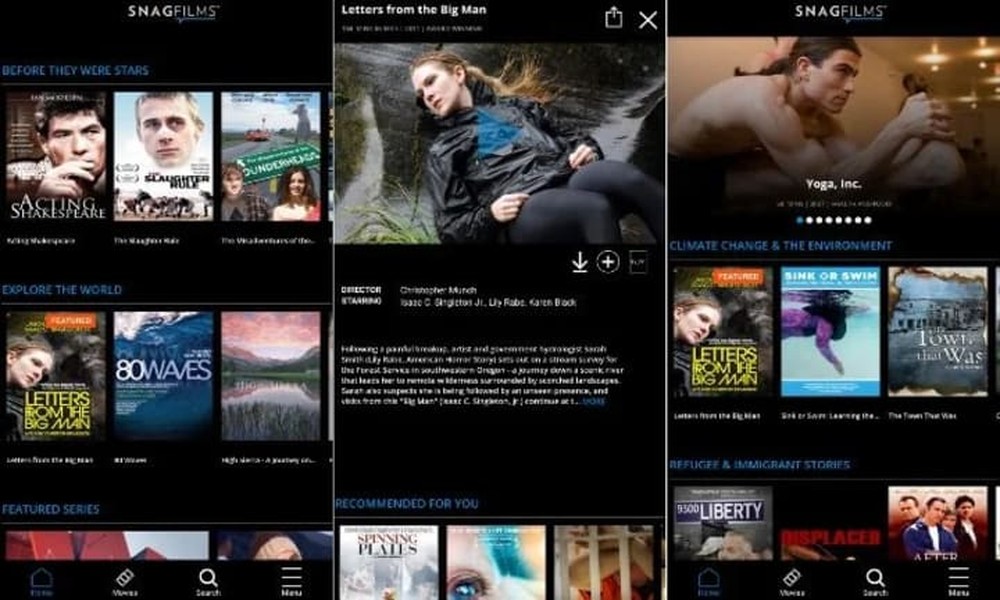
Multi-language subtitle support varies dramatically across streaming platforms and devices. Some services offer extensive subtitle options while others provide minimal choices. Accessing these features requires knowing where to look in player interfaces. Different platforms organize subtitle controls differently. What works on one service won’t necessarily work elsewhere. for downloading new movies check tamilyogi subtitle capabilities before committing to platforms, especially if you need specific language options beyond basic Tamil and English subtitles for accessibility or language learning purposes.
Locate player controls
A video player’s control bar typically has subtitle options. Playback controls have icons resembling speech bubbles, “CC” letters, or captions or subtitles. Platforms differ in icon placement. Some put it next to the volume control. Others place it near the full-screen button. Apps sometimes hide subtitle controls under three-dot menus. The limited screen space on smart TVs often forces users to navigate settings menus. Computer browsers usually show subtitle controls prominently in the player bar. Finding these controls the first time takes exploration since each platform designs its interfaces differently. Once located, the position remains consistent across all content on that platform.
Access subtitle menus
Clicking or tapping the subtitle icon opens a menu listing available options. This menu displays all subtitle languages the platform offers for that specific film. Major platforms provide subtitles in 10-20 languages for popular Tamil films. Lesser-known films might offer just 2-3 language options. The menu typically lists languages by name in their native scripts. English speakers see “Spanish” while Spanish speakers see “Español” depending on interface language settings. Some platforms show abbreviated language codes like “EN” for English or “TA” for Tamil. Scrolling through the menu reveals all available options. The currently selected subtitle language displays a checkmark or highlight. An “Off” option at the top lets you disable subtitles entirely.
Select preferred languages
Click the desired language from the menu. Subtitles switch immediately, usually within a second or two. The change applies without interrupting playback. Most platforms remember your subtitle preference for future viewing. The next Tamil film you watch defaults to your previously selected subtitle language automatically. This memory works within individual platforms but doesn’t transfer across services. Switching between platforms requires reselecting subtitle preferences on each. Some platforms let you set default subtitle languages in account settings. This global preference applies across all content unless manually overridden for specific films.
Adjust subtitle appearance
Many platforms offer advanced subtitle customization beyond language selection. Under the same menu or a separate settings area, you’ll find “Subtitle Settings” or “Caption Settings”. There are four font sizes available: small, medium, large, and extra-large. Larger fonts help viewers sitting far from screens. Font style options include serif, sans-serif, or monospace typefaces. Some viewers find specific fonts easier to read. Text color options typically include white, yellow, black, and occasionally more colors. Background opacity settings control how much video shows through behind subtitle text. Obscure backgrounds improve readability against complex backgrounds. A semi-transparent background balances readability and visual obstruction. Any background colour will stand out with edge style options. Platform interfaces continuously evolve, so exact steps change over time, but core subtitle functionality remains accessible through similar control patterns across services.