


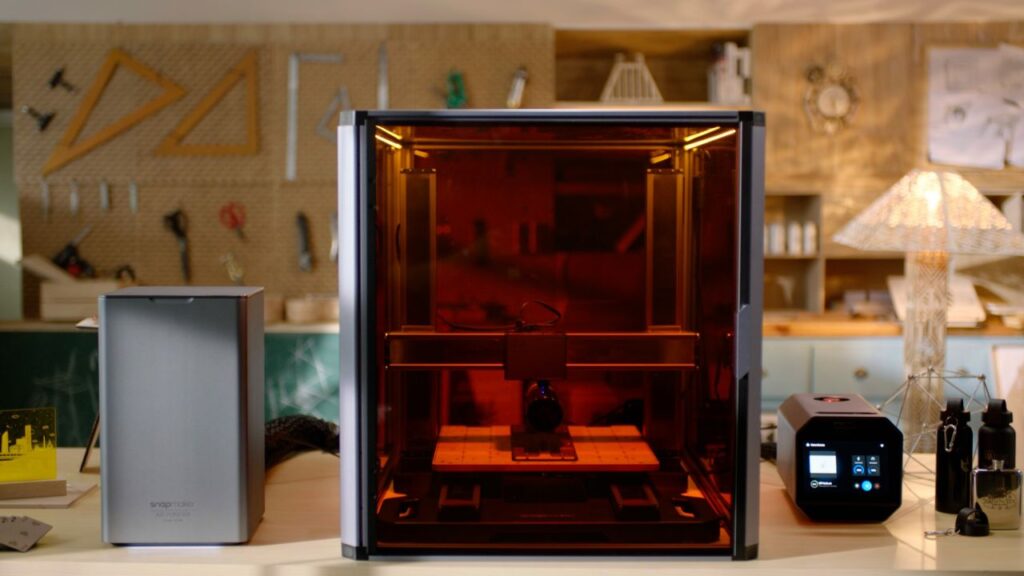
3D printing is an exciting technology that allows users to create custom objects, prototypes, and models. However, many users encounter a common issue: unpleasant odors emitted during the printing process. These smells can range from mildly annoying to overwhelmingly strong, often caused by the materials used or the printing conditions. Addressing these odors not only improves the printing experience but also contributes to a healthier environment. In this blog, we’ll explore the causes of 3D printer smells and provide practical solutions to eliminate them.
Understanding the Causes of Odors
The first step in tackling unpleasant smells from your 3D printer is understanding their sources. Different materials used in 3D printing can produce varying odors:
- PLA (Polylactic Acid): Generally considered one of the more pleasant-smelling filaments, PLA has a sweet aroma, reminiscent of baked goods. However, poor-quality PLA can emit stronger odors if it degrades or overheats.
- ABS (Acrylonitrile Butadiene Styrene): This material is notorious for its strong, acrid smell, especially when heated. The fumes can be irritating to the eyes and respiratory system.
- PETG (Polyethylene Terephthalate Glycol): PETG tends to have a mild smell, but like other materials, it can produce unpleasant odors if not printed under optimal conditions.
Other factors contributing to odors include filament degradation, overheating components, and the release of volatile organic compounds (VOCs). Understanding these sources is crucial for effectively managing and reducing smells.
Proper Ventilation
One of the simplest and most effective ways to mitigate odors is to improve ventilation in your printing area. Good airflow can help dissipate fumes and reduce concentration levels in the air. Here are some tips for enhancing ventilation:
- Open Windows: If possible, keep windows open to allow fresh air to circulate. This is especially helpful in well-ventilated rooms.
- Use Fans: Positioning fans to blow air out of the room can help expel any lingering odors. Make sure the airflow is directed away from you to avoid inhaling any fumes.
- Consider Enclosed Printers: For enclosed printers, ensure that air can still circulate. Consider installing vents or fans to promote airflow within the enclosure.
Proper ventilation not only helps with odor control but also reduces the buildup of harmful particles in the air, creating a safer printing environment.
Filament Selection
Choosing the right filament can significantly affect the odors produced during printing. If you’re experiencing strong smells, consider experimenting with different materials:
- Low-Odor Filaments: Look for filaments specifically marketed as low-odor or odorless. Certain brands of PLA, for instance, produce fewer emissions than traditional ABS.
- Material Properties: Some filaments are inherently less odorous. For example, PLA tends to be more pleasant-smelling compared to ABS. Switching to materials that produce less smell can greatly improve your printing experience.
By being selective about the filaments you use, you can avoid many odor-related issues from the start.
Printer Maintenance
Regular maintenance of your 3D printer is essential for optimal performance and odor reduction. Neglecting maintenance can lead to overheating and degradation, both of which can contribute to unpleasant smells:
- Clean Printer Components: Regularly clean the nozzle and build plate to prevent residue buildup, which can cause smells when heated. Dust and debris can also affect print quality.
- Check for Overheating: Ensure that your printer components are not overheating. If the printer’s temperature settings are too high, it can lead to filament degradation and increased odors.
- Temperature Settings: Familiarize yourself with the recommended temperature settings for the filaments you use. Printing at the right temperatures can minimize odors and improve overall print quality.
Maintaining your printer not only enhances print quality but also helps prevent issues that contribute to unpleasant smells.
Odor Absorption Techniques
In addition to ventilation and maintenance, you can use various odor absorption techniques to further reduce unpleasant smells in your 3D printing area:
- Air Purifiers: Investing in an air purifier with a HEPA filter can help remove airborne particles and odors. Look for models that specifically filter VOCs to tackle printing-related smells effectively.
- Activated Charcoal: Placing bowls of activated charcoal near your printer can help absorb odors. Charcoal is known for its ability to trap and neutralize smells.
- Baking Soda: Similarly, placing open containers of baking soda in the printing area can help absorb odors over time. Baking soda is a natural deodorizer and can be an effective, low-cost solution.
Essential Oils or Scented Sachets: While not all scented solutions are advisable due to potential interactions with printing materials, some users find that adding a subtle scent through essential oils or sachets can help mask unpleasant smells. Use these with caution, ensuring they don’t interfere with the printing process.
Filtration Systems
For those seeking more permanent solutions, consider investing in an aftermarket filtration system designed specifically for 3D printers. These systems can effectively reduce odors and harmful particles in the air:
- Types of Filters: Look for filters that include HEPA filtration and activated carbon components. HEPA filters capture small particles, while activated carbon filters absorb VOCs and odors.
- Installation Tips: Ensure that any filtration system you choose is compatible with your printer model. Follow the manufacturer’s installation instructions to ensure optimal performance.
- Effectiveness: Many users report significant reductions in odors after installing a dedicated filtration system. This investment can enhance the comfort and safety of your printing environment.
Conclusion
Dealing with odors in 3D printing doesn’t have to be a daunting task. By understanding the causes of these smells and implementing effective solutions—such as improving ventilation, selecting low-odor materials, maintaining your printer, and utilizing odor absorption techniques—you can create a more pleasant and healthier printing experience. Whether you’re a hobbyist or a professional, addressing unpleasant smells will enhance your overall enjoyment of 3D printing, allowing you to focus on creativity and innovation with the best 3D printer.