


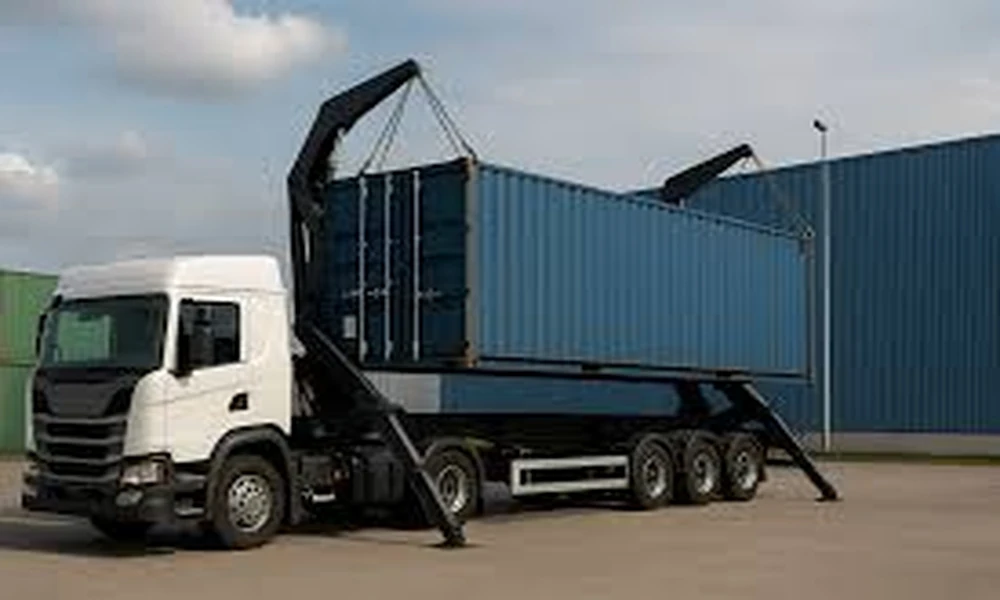
Businesses that handle containerized freight often face challenges when standard transportation equipment does not fully meet their operational requirements. Container sizes, cargo specifications, and transportation routes can vary significantly, making it important to choose equipment that provides the right combination of stability, flexibility, and durability.
From transporting standard containers to handling specialized loads, the right chassis solution can help improve efficiency and reduce transportation issues.
Choosing the Right Chassis for Different Container Sizes
The type of container being transported plays a major role in determining which chassis is needed. Standard container sizes are commonly used in global shipping, but each requires equipment that can safely support its dimensions and weight.
A 40-feet container chassis is designed specifically for transporting 40-foot containers, which are widely used for large-volume freight shipments. These chassis provide a stable platform that allows containers to be moved efficiently between ports, warehouses, rail terminals, and distribution facilities.
Selecting equipment that matches container specifications helps improve road safety, simplifies handling, and reduces the risk of operational delays caused by incompatible equipment.
When Standard Chassis Designs Are Not Enough
While standard chassis options work well for many transportation needs, some businesses require equipment built around unique cargo requirements. Oversized loads, specialized containers, and unusual transportation conditions may require a more customized approach.
This is where custom chassis fabrication becomes valuable. Instead of modifying operations around standard equipment, businesses can develop chassis solutions designed specifically for their freight requirements.
Custom fabrication allows manufacturers to adjust dimensions, weight capacity, mounting systems, and other features to create equipment that better matches specific applications. This can be particularly useful for industries that transport specialized machinery, industrial components, or non-standard containers.
The Benefits of Using a Gooseneck Trailer Design
Certain container transportation applications require additional flexibility and improved maneuverability. A gooseneck container trailer is designed with an extended front section that connects to a specialized hitch system, providing advantages in stability and weight distribution.
This design is commonly used for heavier container loads because it can help distribute weight more effectively between the trailer and towing vehicle. It can also improve handling when transporting containers over longer distances or through challenging routes.
For businesses that need more control over specialized container movement, gooseneck designs can provide an effective alternative to traditional trailer setups.
Finding the Best Chassis Solution for Your Operations
The right equipment depends on factors such as container size, cargo type, transportation frequency, and operating environment. Standard options may be sufficient for businesses handling regular shipments, while specialized applications may require customized solutions.
Investing in the appropriate equipment, whether it is a 40-feet container chassis for standard freight or a custom-built solution for unique requirements, can help businesses improve reliability and reduce transportation challenges.
By evaluating current and future shipping needs, companies can choose chassis solutions that support smoother operations and better long-term performance.