


Most families don’t pick an amusement park. They pick a date, and whatever park their cousin went to wins. That’s how you end up with a nine year old standing in line for a ride built for toddlers, and a toddler melting down because the day is too loud, too hot, and too long.
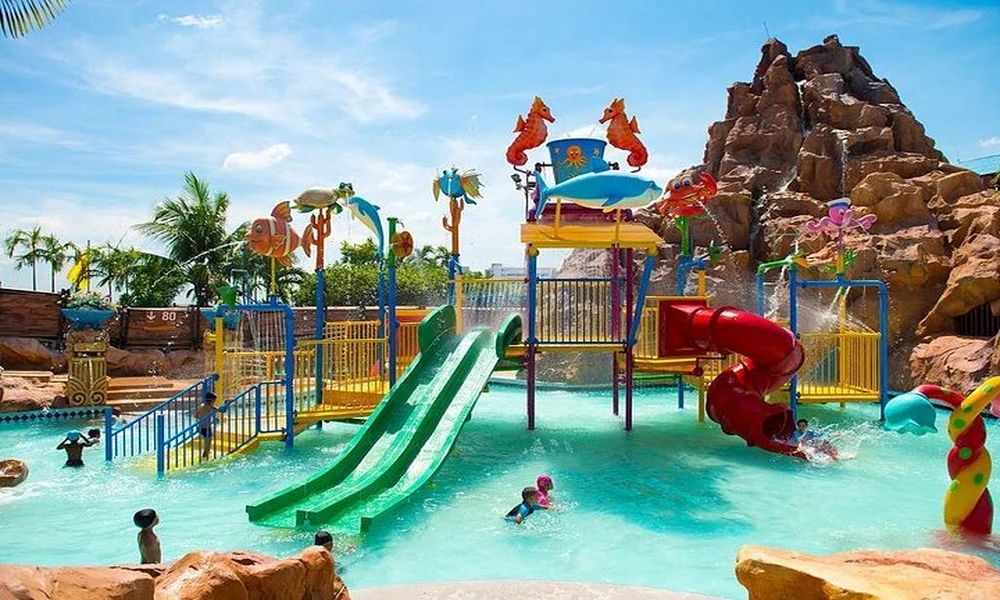
The fix is boring and it works: match the park to your youngest kid’s height, your oldest kid’s patience, and the actual distance from your driveway. In the Midwest, a solid cluster of options sits within a two hour drive of Chicago, and one of the Best amusement parks in illinois for mixed-age families is Santa’s Village in East Dundee, mostly because it pairs a full ride lineup with a water park your kids can walk between without a shuttle bus. If that combination doesn’t already answer your question, keep reading, because the math is different for every family.
Here’s the short version of what we’ll cover. A height-first screening, a shade and distance reality check, a comparison of what different parks do well, and a step-by-step you can run before you buy a single ticket. Skip to the end if you just want the checklist.
Start With the Smallest Kid, Not the Biggest
Every park website lists the headline coaster. That’s marketing, and it’s aimed at the parent, not the four year old. Flip the logic. Find the ride your smallest child can actually board, then check whether the older kids have anything left to do while the little one rides.
A park with three gentler ride areas spread out across the property works better than one with a single kiddie zone crammed into a corner. Why? Because a single zone becomes a bottleneck by 11 a.m., and you’ll spend the rest of the day standing in the same spot. Spreading the kid-friendly rides out does double duty: everyone keeps moving, and the older kids get real coaster time in between.
Call the park’s front desk before you go and ask two questions. What is the minimum height for the junior coaster, and is it measured with shoes on? You’ll get a real answer, and it saves you from a meltdown at the gate.
The Ride to Shade Ratio Nobody Talks About
Here’s a decision tool I built after a brutal July afternoon. It’s called the Ride to Shade Ratio, and you don’t need a chart to use it. Walk through the park map and count two things: the number of rides your kids will want, and the number of spots where a grown-up can sit in actual shade and watch them.
If that ratio gets ugly, meaning a handful of shade spots for a dozen rides, then you’re planning a day that ends early. Heat exhaustion in kids shows up fast: cranky, glassy-eyed, no interest in the next ride. Parks that build shade into the layout, with trees along the paths and covered picnic areas near the water attractions, tend to keep families going until closing.
One practical trick: check the historical weather for the week you’re planning before you commit to a full day outdoors. According to the National Weather Service, late summer heat indexes in northern Illinois can run well above the actual air temperature, and that changes whether your crew has three hours in them or seven. A water park attached to the dry rides isn’t a bonus. It’s a cool-down valve, and it changes the whole arc of the day.
Illinois Park Options Compared by Family Type
Not every park suits every crew, and that’s fine. Here’s how the main options shake out once you sort by who’s actually going.
| Family Profile | What Matters Most | Best Fit |
|---|---|---|
| Kids under 5 plus older siblings | Ride variety across ages, water play, short walks between areas | A combined amusement and water park within a 2 hour drive |
| Thrill-focused tweens and teens | Coaster height and speed, single-rider lines, evening events | Larger regional parks outside the metro |
| Grandparents tagging along | Seating, shade, open food spots, gentle attractions | Parks with sit-down shade and no required hills |
| Everyone on a tight budget | Season pass math, parking cost, outside food policy | Smaller parks where the pass covers the water park too |
My take: if you’re hauling a mixed-age group, the combined dry rides plus water park setup wins almost every time. Splitting the day between a slide and a spinning ride keeps everyone from hitting the same wall at 2 p.m.
Distance, Traffic, and the Drive Home
Google Maps lies about amusement park drive times, and not on purpose. The estimate assumes free-flowing traffic, which is exactly what you’ll get at 8 a.m. and never at 5 p.m.
So build the return leg into your decision. A park 45 minutes from your house is worth more than a park 90 minutes away when it’s 8 p.m., the kids are sunburned, and you still have a bed time to hit. This is where a close-in suburban park like Santa’s Village earns its spot: the drive home from East Dundee is short enough to be survivable.
If you’re coming from out of state, plan for the state’s highway system rather than a single route. The state does publish travel and tourism resources through Illinois.gov, and the park tourism section is a reasonable place to start mapping your trip. Pair that with a quick look at the park’s own map so you know where you’re parking before you pull in.
Run This Checklist Before You Buy Tickets
This is the part that saves money and prevents the 3 p.m. meltdown. Work through it in order, and you’ll have your answer in under ten minutes.
- Check heights. Write down your shortest rider’s height without shoes. Then pull up the park’s ride page and count how many attractions they clear.
- Count the water factor. Does a single ticket cover both the rides and the water park? If not, add those two numbers together before you compare.
- Do the shade scan. Open the park map and count covered seating. If it’s thin, pack a wide-brim hat and plan a midday break near the water.
- Compare pass math. Take the single-day ticket price, times how many visits you actually expect this summer, and compare that to the season pass. Most families who plan more than two visits come out ahead.
- Pick your day. Tuesday or Wednesday beats Saturday, every single time. Look at the park calendar for events or deals that might change the crowd level.
- Call the front desk. Ask about outside food, parking fees, and stroller rules. Those three answers change what you pack and what you spend.
One more thing I’d tell a friend: buy the season pass on your second visit, not your first. You’ll know by then whether the park actually fits your family or just looked good on the website.
The Bottom Line on Picking a Park
The best Illinois amusement park for your family is the one your smallest kid can enjoy, your oldest kid can be challenged by, and your car can survive the drive home from. Everything else, the coasters, the mascots, the funnel cakes, is a detail you can sort out later.
Run the height check, count the shade, and do the drive time math before you spend a dollar. And if you’re still deciding, tell me one thing: what’s the age spread in your crew? The answer changes the recommendation more than the park’s own marketing ever will.