


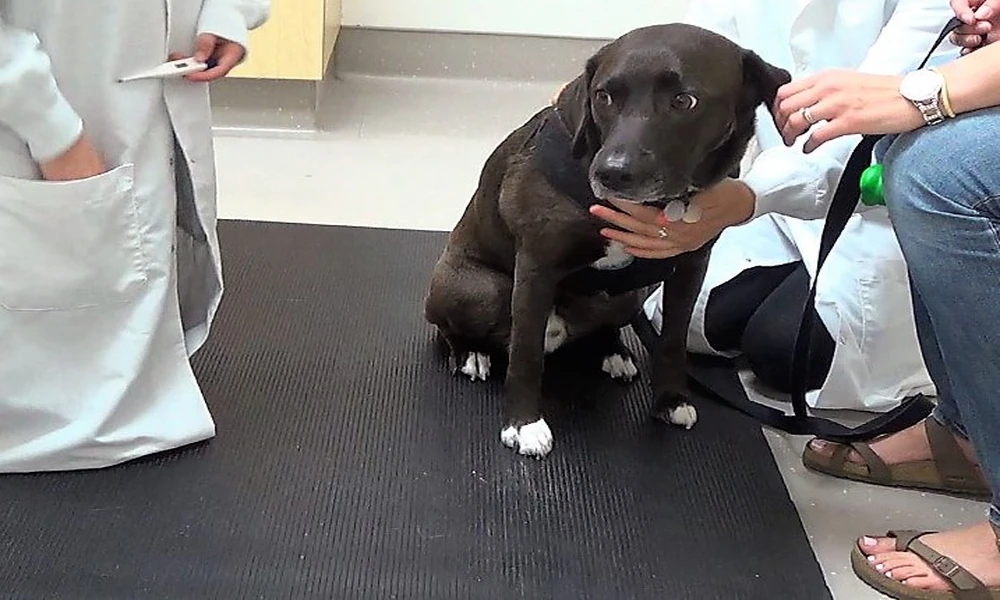
You know the signs before you even get to the clinic. Your dog starts pacing when the carrier comes out. Your cat disappears under the bed. By the time you arrive at Murrieta animal hospital, your pet is panting, shaking, vocalizing, or frozen stiff, and you are trying to stay calm while feeling guilty for putting them through it.
That stress is real, and it is common. Veterinary visits can feel strange and threatening to pets because they involve travel, new smells, restraint, and handling by unfamiliar people. The good news is that how veterinarians address anxiety in pets during exams has changed in a big way. Many clinics now use low-stress handling, quieter exam spaces, slower introductions, and behavior-based plans that make care safer and easier for everyone.
When fear is ignored, a basic checkup can turn into a struggle. A pet who is frightened may resist touch, refuse treats, urinate, scratch, bite, or shut down completely. That affects more than the visit itself. It can make future appointments harder, delay care, and keep your veterinarian from getting an accurate exam. A racing heart, tense muscles, and rapid breathing can change what the team sees.
Veterinary anxiety care starts before the exam room
Most anxious visits do not begin on the exam table. They begin at home, in the car, or with the sight of the carrier. Clinics that focus on pet anxiety during veterinary exams often ask about your pet’s triggers before you arrive. Does your dog react to other dogs in the lobby? Does your cat panic when the carrier moves? Has your pet had a rough visit before? Those details shape the plan.
Sometimes the fix is simple. You may be asked to wait in the car until a room is ready, bring a favorite blanket, or use a carrier that opens from the top so your cat does not have to be pulled out. Dogs may be brought through a quieter entrance. Cats may be examined in the bottom half of the carrier or on a towel that smells like home. Those choices seem small, but they lower the sense of threat.
Handling style matters just as much. Many teams use gentle restraint instead of force, offer treats during the exam, and pause when a pet’s body language shows rising fear. A dog licking its lips, turning its head away, or stiffening is communicating. A cat with flattened ears and a twitching tail is too. Good veterinary care includes listening to those signals.
Research has pushed this shift forward. The American Veterinary Medical Association has published work on reducing stress and improving patient handling during visits. You can read more in this AVMA journal article on fear, anxiety, and stress in veterinary care. The message is plain. Less fear leads to better exams, safer staff interactions, and a better experience for pets and owners.
Low-stress veterinary visits protect your pet’s health
A calm pet is easier to examine, but the benefit goes further than convenience. Fear can hide pain, raise vital signs, and turn a short visit into a failed one. If your cat is too distressed for bloodwork or your dog cannot tolerate ear handling, your veterinarian may have to postpone care or use a different plan. That can mean more time, more cost, and more stress later.
This is also a safety issue. Frightened pets can injure themselves, their owners, or clinic staff. A dog that slips a collar in panic can bolt. A cat that feels trapped can bite deeply. Preparing for stress is part of responsible care, much like planning for emergencies at home. The CDC offers practical guidance on pet emergency preparedness, and that same mindset helps with routine veterinary visits too. Preparation lowers risk.
Some pets need more than environmental changes. If your pet has severe fear, your veterinarian may recommend pre-visit medication. That does not mean your pet has failed or that you have done something wrong. It means the team wants the exam to be humane and effective. In many cases, the right medication given before the appointment prevents panic instead of reacting to it after it starts.
Common ways general veterinarian teams reduce exam stress
| Approach | How it helps | Best fit |
|---|---|---|
| Waiting outside or direct-to-room check-in | Reduces exposure to noise, other animals, and crowded lobbies | Dogs reactive to other pets, cats that become agitated quickly |
| Carrier and transport adjustments | Makes arrival less threatening and lowers panic before the exam starts | Cats, small dogs, pets with travel stress |
| Treats, towels, and familiar scents | Builds positive associations and gives pets something safe to focus on | Food-motivated pets, mildly anxious patients |
| Low-stress handling and brief pauses | Prevents fear from escalating during touch and restraint | Most pets, especially those with handling sensitivity |
| Pre-visit medication | Reduces intense fear before the trip and improves exam success | Pets with severe anxiety, prior failed visits, aggression linked to fear |
Public health guidance also supports planning ahead for animals under stress. This CDC resource on supporting pets during emergencies reflects a broader truth. Animals cope better when their environment, handling, and routine are managed with care. The same principle applies to the clinic.
Small changes at home can improve veterinary anxiety treatment
Practice the carrier and car routine. Leave the carrier out year-round, add bedding and treats, and let your pet enter on their own. Take short car rides that do not end at the clinic. If every ride leads to stress, your pet learns the pattern fast.
Record your pet’s triggers. Notice what happens before fear spikes. Is it the parking lot, the lobby, nail trims, ear exams, or being lifted onto the table? Share that with your veterinary team when you book. Specific details help them plan a better visit.
Ask about a fear-reduction plan before the appointment. This is one of the most useful things you can do. Ask whether the clinic offers quiet check-in, exam room waiting, pheromone use, treats during handling, or pre-visit medication. Veterinary care for anxious pets works best when the clinic and owner prepare together.
Better exam experiences are possible
If your pet dreads the vet, you are not overreacting, and your pet is not being difficult. Fear is a real medical and behavioral issue, and it deserves attention. A thoughtful general veterinarian team can reduce that fear with better handling, better planning, and in some cases medication that makes care possible without panic.
Your next visit does not have to look like the last one. Reach out to your veterinarian, describe exactly what happens, and ask for a low-stress plan for the next exam.