
A water heater quote in Southwest Florida usually arrives as one number. Behind that number sit several separate costs, and each one moves for its own reasons. Two homeowners on the same street can get quotes that are thousands of dollars apart, and both can be fair.
Most of the gap comes from decisions rather than markup. Keeping the same type and size of heater in the same spot is the cheapest path. Switching from tank to tankless, moving the unit, or upgrading to a hybrid heat pump model adds labor, parts and paperwork. Knowing which line items grow with each choice makes any quote easier to read.
Location shapes the bill too. Most homes around Naples heat water with electricity, many tanks sit in garages or utility closets, and the local water is hard enough to shorten the life of a heater that never gets maintained. Those three facts sit underneath nearly every cost below.
Homeowners who want one crew to handle the whole job often turn to a licensed specialist for Naples Water Heater Installation, and BCS Plumbing covers tank and tankless installs, repairs and full conversions across Lee and Collier County. Pricing is flat rate and quoted before work starts, a master plumber signs off on every job, and emergency calls are answered around the clock. Booking a time window online is the fastest way to get a firm number for your own garage or closet.
The Heater on the Pallet
The unit is usually the largest single line, and its price depends on technology more than brand.
Electric tank. A standard 40 or 50 gallon resistance tank is the budget choice and the most common replacement in the area. It is simple to install and cheap to buy, but it costs the most to run month after month.
Hybrid heat pump. These tanks pull warmth from the surrounding air, which suits a hot Florida garage well. They cost more upfront but can cut the electricity used for water heating sharply. Federal rules point the same way. Under the Department of Energy’s consumer water heater standard, most electric tanks above 35 gallons built from May 2029 onward will need heat pump technology.
Tankless. Gas tankless units carry a higher equipment price and a bigger installation bill. Whole home electric tankless models look affordable on the shelf but often need electrical capacity most houses don’t have.
Labor for the Swap
Labor covers draining and disconnecting the old tank, carrying it out, setting the new one, connecting water and power, filling, purging air and testing.
Straight replacement. A like-for-like swap in an open garage is usually a few hours of work, which makes it the most predictable price on any quote.
Haul away. A full 50 gallon tank weighs over 400 pounds before draining, and even empty it is a two person carry. Disposal is often bundled into labor, but it is worth confirming in writing.
Flat rate or hourly. Flat pricing puts the risk of a slow job on the contractor. Hourly billing can be fair, but it makes the final total harder to predict.
Permits and Inspection
Paperwork is a small line that changes with the scope of the job. Collier County publishes a list of work that can be exempt from building permits, and a like-for-like electric water heater up to 52 gallons appears on it.
When plans come in. Changing the heater type, changing its size, or moving it to a new spot sends the job through permit review, with plumbing plans that show the new equipment or location.
Which office applies. The City of Naples and Marco Island run their own building departments, so the rules for a home inside city limits may not match those for a house in unincorporated Collier.
Code Parts That Ride Along
Many quotes include a materials charge. Much of it pays for parts the code or the manufacturer requires, not for upgrades.
Drain pan and line. A pan piped to a safe discharge point is required wherever a leak would damage the building, which covers most interior closets and every attic install.
Relief valve discharge. The temperature and pressure relief valve needs its own full size discharge pipe that ends where scalding water can’t hurt anyone.
Expansion tank. When a check valve, backflow preventer or pressure reducing valve closes the system, heated water has nowhere to expand. A small expansion tank absorbs that pressure and protects the heater and fixtures.
Valves and connectors. A new shutoff valve and fresh supply connectors are cheap insurance. Hard water and aging copper make reused fittings a common source of callbacks.
Conversions and the House Around Them
This is where quotes jump. The new heater may cost only a little more, while the house around it needs real work.
Heat pump tanks. ENERGY STAR installation guidance notes that most 240 volt models need at least 700 cubic feet of surrounding air and typically run on a 30 amp circuit, plus a route for condensate. A roomy garage makes this easy. A tight interior closet may need louvered doors or ducting.
Gas tankless. Expect a larger gas line, new venting through a wall or roof, and a condensate line on high efficiency models.
Electric tankless. Whole house units can draw well over 100 amps, which may trigger a panel or service upgrade that costs more than the heater itself.
What Turns Up When the Old Tank Comes Out
Some costs stay hidden until the old heater is disconnected.
Corroded valves and lines. Shutoffs that won’t close and pinholed copper near the tank are common in older homes across the area. Replacing a short run now is cheap compared with a leak later.
Floor and pan damage. A tank that leaked slowly for months can leave a rotted platform, stained drywall or a rusted pan that has to be fixed before the new unit goes in.
Tricky access. Attic installs, raised platforms and narrow closets add time and sometimes a second technician.
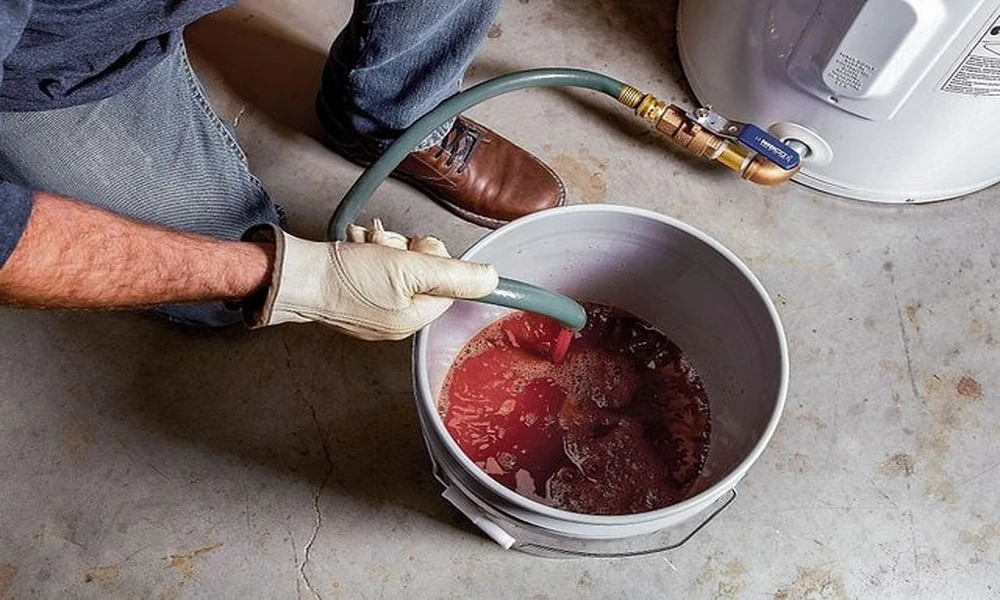
Water quality. Hard water scales elements, heat exchangers and anode rods. A periodic flush, descaling for tankless units, and an anode check on tanks are not part of the install price, but they decide how long the money spent on everything above actually lasts.