
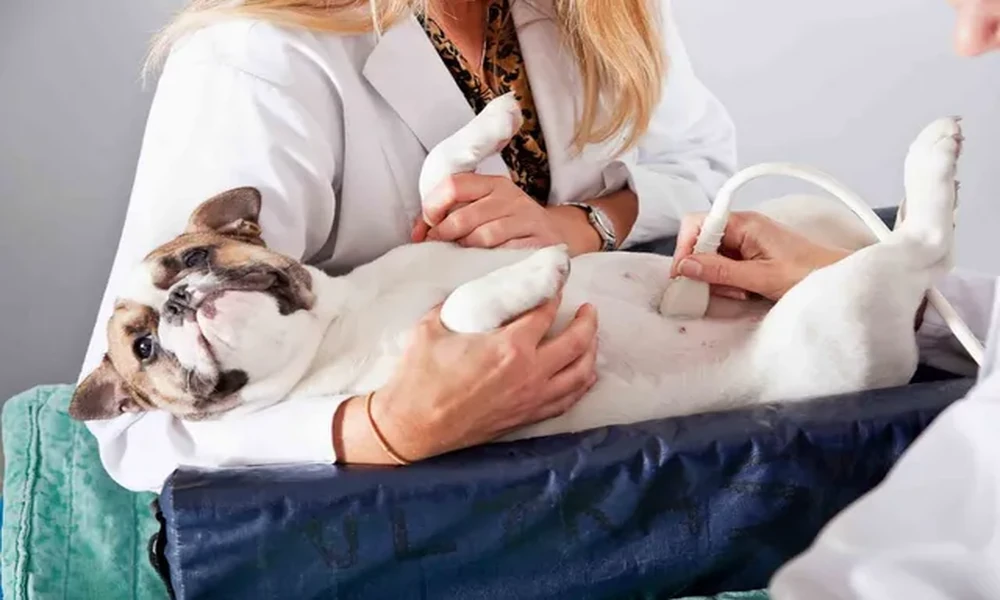
You know your pet’s normal. The way they greet you at the door, how much water they usually drink, the look they give when they want dinner five minutes early. That is why even small changes can sit in the back of your mind. A little less energy. A skipped meal. More scratching. Bad breath that seems worse than it was last month. It can be hard to tell what is harmless and what needs attention, and that uncertainty wears on you. If you are also looking for a trusted pet salon in Brandon, FL, keeping up with your pet’s overall care can feel a little more manageable.
This is where general veterinarians matter most. They are not only there for emergencies or vaccines. They help you track your pet’s health over time, catch problems before they grow, and guide the day to day choices that shape a longer, more comfortable life. The role of a general veterinarian in everyday pet care is steady, practical, and often the difference between guessing and knowing.
General veterinarians support the full picture of daily pet health
A general veterinarian handles the routine care that keeps pets stable and healthy. That includes wellness exams, vaccines, parasite prevention, dental checks, weight management, nutrition advice, skin and ear issues, minor injuries, lab work, and early disease screening. When your dog starts licking one paw nonstop or your cat begins hiding more than usual, your first stop is usually a general vet, not a specialist.
That matters because many problems start small. Dental disease can begin with bad breath and end in pain, infection, and trouble eating. Weight gain can creep up over a year, then turn into joint strain, diabetes, or heart stress. A general practice veterinarian sees these patterns every day and knows when a watch and wait approach is reasonable and when it is not.
Routine care also protects the people in your home. Some infections and parasites can affect both pets and humans, especially children, older adults, and anyone with a weaker immune system. The CDC offers helpful guidance on healthy habits around pets and animals, and your vet helps turn that guidance into a plan that fits your pet’s age, species, and lifestyle.
Everyday pet care gets harder when you are left to guess
Most owners have had the same thought at some point. Maybe it will clear up on its own. Maybe I am overreacting. Sometimes that is true. Sometimes it is not. The trouble is that pets often hide discomfort well. By the time symptoms look obvious, the issue may be more advanced and more expensive to treat.
A dog with recurring ear infections may not just need another cleaning. There may be allergies underneath it. A cat vomiting once in a while may have a diet issue, hairballs, inflammatory disease, or something more serious. A senior pet slowing down may be aging, but it may also be arthritis, kidney disease, thyroid disease, or pain that has been building for months.
Primary care for pets gives you a baseline. Your veterinarian knows your pet’s history, exam findings, weight trends, vaccine record, and behavior changes over time. That history matters. It helps your vet spot subtle changes faster than a one time urgent visit often can.
Prevention is a major part of this work. Fleas, heartworms, intestinal parasites, and ticks are not seasonal annoyances to shrug off. Tick exposure alone can lead to serious disease, and the CDC shares clear steps for preventing ticks on pets. A pet veterinarian can help you choose products that fit your pet’s age, health status, and daily environment, because the right plan for an indoor cat is not the same as the right plan for a hiking dog.
Routine veterinary care often costs less than delayed treatment
Cost is real, and many people put off appointments because they are trying to be careful with money. That is understandable. The hard part is that waiting often raises the final bill. A wellness exam and early treatment for skin irritation usually cost less than treating a severe infection after weeks of scratching, chewing, and lost sleep for everyone in the house.
| Situation | Waiting and watching alone | Working with a general veterinarian |
|---|---|---|
| Mild weight gain | Often goes unnoticed until mobility or blood sugar issues appear | Body condition scoring, diet changes, follow-up checks, earlier control |
| Bad breath and tartar | Can progress to painful dental disease and tooth loss | Dental exam, cleaning plan, home care guidance |
| Occasional scratching | May become skin infection or chronic allergy flare | Exam, parasite check, allergy review, targeted treatment |
| Low energy in a senior pet | Can be mistaken for normal aging | Lab work and exam may uncover pain, thyroid, kidney, or heart concerns |
General vets also know when your pet needs more advanced care. If a heart murmur needs imaging, if seizures begin, or if a mass needs surgery beyond basic treatment, your veterinarian can refer you to the right specialist. That coordination protects time, money, and your pet’s comfort. Veterinary teaching hospitals and specialty centers often provide added support and education, including resources like those from NC State Veterinary Hospital.
Small, consistent actions make general veterinary care more effective
Track changes at home
Write down changes in appetite, water intake, energy, bathroom habits, scratching, coughing, limping, and behavior. Take photos of skin issues or videos of unusual movement. Details that feel minor at home often help your vet narrow things down fast.
Keep routine visits truly routine
Do not save the vet only for emergencies. Annual visits are the minimum for many healthy adult pets, and puppies, kittens, seniors, and pets with chronic conditions often need more frequent care. Regular exams build a health history that makes future decisions clearer.
Ask for a prevention plan, not just treatment
If your pet has a problem, ask what can lower the chance of it happening again. That may include parasite prevention, dental care, weight goals, diet changes, vaccine timing, or lab screening based on age and breed. A good plan is easier to follow when it is specific.
The everyday role of a general veterinarian is steady and personal
Your pet does not need a crisis to benefit from veterinary care. Most of the value comes earlier, in the ordinary moments when something seems a little off, when a yearly exam catches a quiet issue, or when a simple prevention plan avoids a bigger problem later. That is the real role of a general veterinarian in everyday pet care. They help you protect the daily life you share with your animal, not just respond when it falls apart.
If your pet is due for a checkup or you have noticed a change you cannot quite explain, schedule a visit with a general veterinarian. Acting early is often the kindest move you can make.