
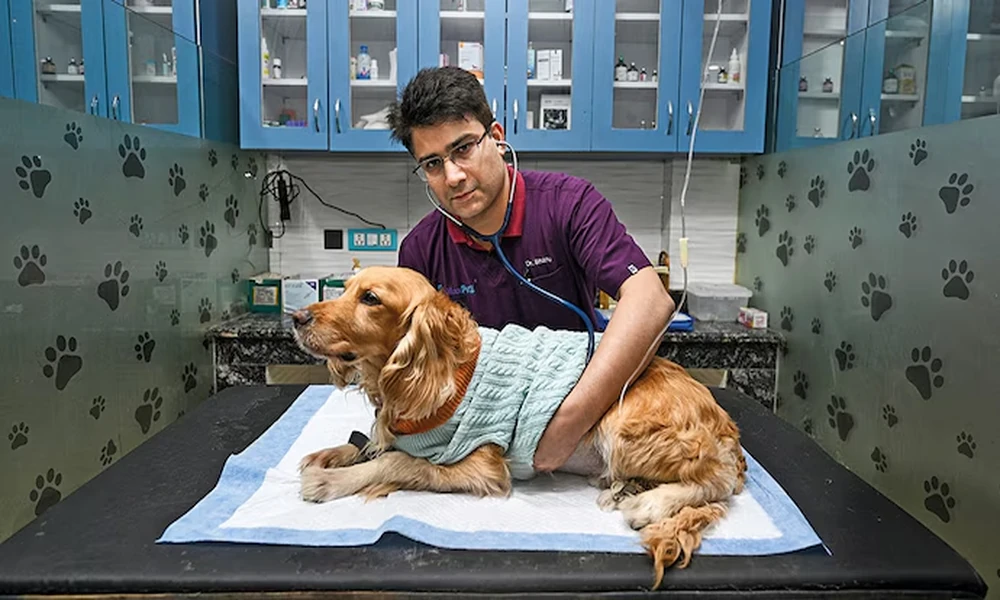
You know the feeling. Your pet seems a little off, maybe they are eating less, scratching more, limping after a nap, or just acting unlike themselves, and suddenly you are trying to remember when their last exam was, where their records are, and whether this is urgent or something that can wait. That stress gets heavier when you do not have a veterinary clinic in Dallas, TX that already knows your animal.
A long standing relationship with a veterinary clinic makes pet care simpler, faster, and more personal. It gives your veterinarian a clear picture of your pet’s normal health, helps catch problems earlier, reduces confusion during emergencies, and often saves money over time. The biggest benefit is trust. When something changes, you are not starting from zero.
Long term veterinary care helps your pet get known, not just treated
Pets cannot explain what hurts. Your veterinarian has to piece things together from behavior, exam findings, test results, and your observations at home. That becomes much easier when the clinic has seen your pet over the years. They know your dog’s usual weight, your cat’s normal temperament, and whether a change is small or a real warning sign.
That history matters because many health issues do not arrive all at once. Dental disease, arthritis, kidney problems, thyroid changes, and skin conditions often build slowly. A clinic that has followed your pet over time is more likely to notice the pattern early, before your pet is clearly suffering. Annual wellness exams are a big part of that, because they create regular checkpoints instead of waiting for a crisis.
This is one of the clearest benefits of a lasting connection with a vet. You are not just getting treatment for one visit. You are building a health record that makes each future visit more useful.
Preventive care becomes easier when you work with one veterinary clinic
Preventive care sounds simple until life gets busy. Vaccines come due. Parasite prevention runs out. Lab work gets postponed. A small ear issue turns into a chronic infection because it never fully cleared. When you have an ongoing relationship with one clinic, those routine pieces are easier to stay on top of because the practice tracks them with you.
That support protects more than convenience. It can prevent expensive and painful problems later. Virginia Tech’s guidance on pet preventive care points to the value of regular exams, parasite control, dental attention, and age appropriate screening. Those are not extras. They are often the difference between a manageable issue and a late stage diagnosis.
Long term veterinary care benefits show up in ordinary moments. A reminder call gets your senior dog in for bloodwork. A technician remembers your cat needs a quiet room. Your veterinarian notices your pet has gained weight over the last three visits and talks with you before joint strain or diabetes becomes a bigger problem.
A trusted veterinary clinic can lower stress during emergencies
When your pet is sick or injured, you do not want to explain their full history to strangers while you are upset. If your regular clinic already knows your pet, they can move faster. Even if they refer you to an emergency hospital, they can often send records, recent lab work, medication history, and notes that give the emergency team a head start.
That speed matters. It can also spare you from repeated tests, conflicting advice, or gaps in follow up care. The federal guidance in Taking Care of Your Pet supports the same basic truth, which is that regular veterinary care is a core part of keeping animals healthy and addressing problems before they grow.
This is where a lasting relationship with a vet becomes deeply practical. In a stressful moment, you are not searching for a clinic that can “fit you in.” You already have a medical home for your pet.
Consistency with a veterinary clinic often saves money over time
Many pet owners avoid routine visits because they are trying to control costs. That makes sense, especially when budgets are tight. The hard part is that delayed care usually costs more. A mild skin allergy becomes a severe infection. Missed dental care turns into extractions. Unchecked weight gain leads to joint problems, mobility support, and long term medication.
Staying with one clinic also helps because your veterinarian can make better decisions with a full history in front of them. They may not need to repeat tests that were already done. They can compare old and new results instead of ordering broad workups with little context. That kind of continuity can reduce waste as much as it improves care.
Pet care is more personal when your veterinary clinic knows your household
Every pet is different, and every owner has a different reality. Some dogs panic during nail trims. Some cats stop eating after travel. Some families need treatment plans that work around a fixed income, a packed work schedule, or multiple pets with different needs. A clinic that knows your household can tailor care in a way that feels realistic instead of generic.
That personal knowledge builds trust, and trust makes communication better. You are more likely to mention the “small” thing you almost ignored. You are more likely to ask about behavior changes, appetite shifts, or medication side effects. Good care depends on those details.
Short term convenience and long term veterinary care are not the same
| Approach | Short Term Upside | Long Term Risk or Benefit |
|---|---|---|
| Using different clinics as needed | Fast scheduling in the moment | Fragmented records, less continuity, repeated testing, weaker preventive planning |
| Building a relationship with one veterinary clinic | May take planning for routine visits | Stronger history tracking, earlier detection, more personalized care, smoother emergency support |
| Skipping routine care until a problem appears | Lower immediate spending | Higher chance of advanced illness, urgent costs, and avoidable discomfort for your pet |
Simple steps that strengthen your relationship with a veterinary clinic
Book routine visits before there is a problem. Annual exams are the baseline, and senior pets or animals with chronic conditions may need more frequent care. Regular visits create the record your veterinarian needs to spot changes early.
Keep one home base for your pet’s medical care. Emergency visits happen, and specialty care may be necessary, but one primary veterinary clinic should hold the full picture. Ask that outside records be sent back to your regular clinic.
Share patterns, not just symptoms. Tell your veterinarian what has changed at home, even if it seems minor. Sleeping more, drinking more, hiding, pacing, weight shifts, or new reactions to food can all help connect the dots.
Your pet depends on you to notice when something is different, and you should not have to manage that alone. A strong relationship with a veterinary clinic gives you support before, during, and after a health issue. That is one of the most practical advantages of building a long term relationship with a veterinary clinic. It protects your pet, lowers stress, and makes care feel more steady when life is not.