
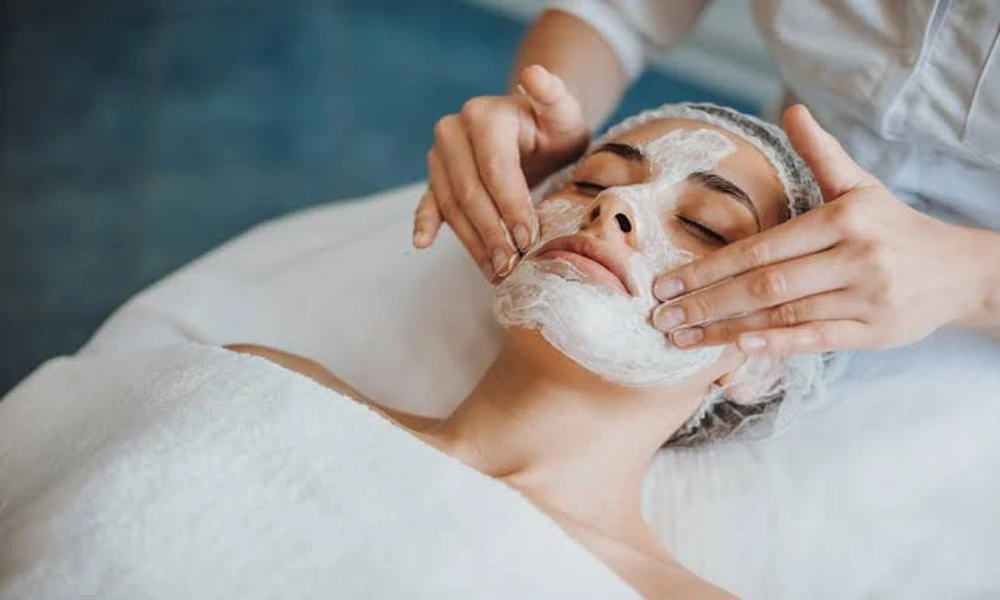
Your skin flares, stings, or turns red faster than other people’s, and that changes how you think about every treatment. A facial that sounds relaxing to someone else can feel like a gamble to you, especially when choosing a med spa Newtown PA residents trust. You are not overreacting. Sensitive skin often has a shorter fuse, and a med spa visit without a clear plan can leave you dealing with burning, peeling, or a flare that lasts for days.
The good news is that sensitive skin does not automatically rule out treatment. It changes the approach. The safest path is slower, simpler, and more selective. In practice, that means choosing a provider who respects your skin barrier, avoiding stacked treatments, and building a plan around what your skin can tolerate instead of what is trending. That is the heart of Medical Spas And Sensitive Skin: Building A Low Irritation Plan.
Sensitive skin needs a lower stimulation treatment plan
Many people with reactive skin already know their triggers, at least in part. Heat, friction, fragranced products, harsh exfoliation, and stress can all show up on the list. If you also deal with rosacea, the margin for error gets even smaller. The American Academy of Dermatology offers practical tips for avoiding rosacea triggers, and those same principles matter before, during, and after med spa care.
The problem is not just the treatment itself. It is the buildup. You might have used a retinoid at home, booked a peel, tried a new cleanser the same week, and then sat in the sun longer than usual. Each step may seem minor on its own, but sensitive skin often reacts to the total load. That is why a low irritation med spa plan starts with less, not more.
Rosacea adds another layer. Redness, visible vessels, flushing, and burning can all mimic “normal sensitivity,” which causes some people to push through symptoms instead of treating them as warning signs. The NIH explains the basics of rosacea and its common features, and that distinction matters because skin with rosacea often needs gentler settings, fewer actives, and close follow up.
Common med spa mistakes can push sensitive skin into a flare
A lot of irritation starts with good intentions. You want faster results, so you book a chemical peel and add dermaplaning. You want clearer skin, so you start acids at home right before your appointment. You hear that laser treatments help redness, but no one reviews your trigger history, current products, or recent sun exposure. That is how a routine visit turns into a setback.
One of the biggest mistakes is assuming that “medical” always means “safe for everyone.” A med spa can offer useful treatments, but the setting does not erase the need for judgment. Sensitive skin responds best when the provider asks detailed questions, tests cautiously when needed, and avoids aggressive combinations on the first visit.
Another issue is barrier damage. When your skin barrier is impaired, even water, sunscreen, or basic moisturizers can sting. MedlinePlus outlines how skin redness and flushing can have different causes, which is a reminder that visible irritation is not something to brush off. If your skin is already inflamed, adding heat based devices, strong acids, or abrasive exfoliation can keep the cycle going.
Low irritation treatments usually beat aggressive treatment stacking
Sensitive skin treatments at a med spa tend to work better when they are spaced out and adjusted over time. You may do well with a gentle hydrating facial, a conservative laser setting chosen for redness, or a very mild peel after your barrier is stable. You may not do well with same day combinations, heavy extractions, or high strength resurfacing right away.
That slower pace can feel frustrating, especially if you are paying for professional care and want visible change. Still, one calm month of steady progress is usually worth more than one dramatic session followed by a three week flare. Skin that feels safe is easier to treat, easier to protect, and more likely to improve.
| Approach | What It Looks Like | Potential Benefit | Main Risk for Sensitive Skin |
|---|---|---|---|
| Single gentle treatment | Hydrating facial or mild enzyme based exfoliation | Supports barrier comfort with low downtime | Less dramatic short term results |
| Treatment stacking | Peel plus dermaplaning plus extractions in one visit | Can target several concerns at once | Higher chance of redness, burning, and prolonged irritation |
| Conservative device settings | Lower intensity light or laser sessions with spacing between visits | More controlled response for redness prone skin | May require more sessions |
| At home active overload | Retinoids, acids, scrubs, and vitamin C layered around appointments | Can seem like faster progress | Barrier damage that undermines professional treatment |
A skin friendly med spa plan starts before the appointment
Step 1: Audit your triggers and products
Write down what makes your skin burn, flush, itch, or break out in a rash. Include heat, exercise, alcohol, fragrance, scrubs, retinoids, and any recent procedures. Bring a list of your current skin care products. This gives the provider a real picture of your skin instead of a guess based on how it looks that day.
Step 2: Ask for a conservative first treatment
Tell the provider you want a low irritation approach. Ask which treatment has the lowest risk of barrier disruption for your goals. If they suggest several procedures at once, ask whether one can be done first so your skin’s response is easier to read. A cautious provider will not treat restraint like a problem.
Step 3: Protect the recovery window
After treatment, keep your routine plain. Use a gentle cleanser, a bland moisturizer, and sun protection if your skin tolerates it. Skip exfoliants, strong actives, hot yoga, long hot showers, and anything that usually triggers redness until your skin settles. Good aftercare often decides whether a treatment helps or hurts.
Calmer skin usually comes from a simpler plan
If your skin reacts easily, you do not need courage as much as you need a plan that respects your limits. The best med spa strategy is rarely the most aggressive one. It is the one that leaves your skin stable enough to heal, respond, and keep moving forward. A careful med spa plan can support real improvement without pushing your skin into survival mode.
You deserve treatment that feels measured, not risky. Start with less, pay attention to your triggers, and choose providers who see sensitive skin for what it is, skin that needs precision. When you are ready, schedule a consultation and ask for a low irritation treatment plan built around your skin’s actual history.