
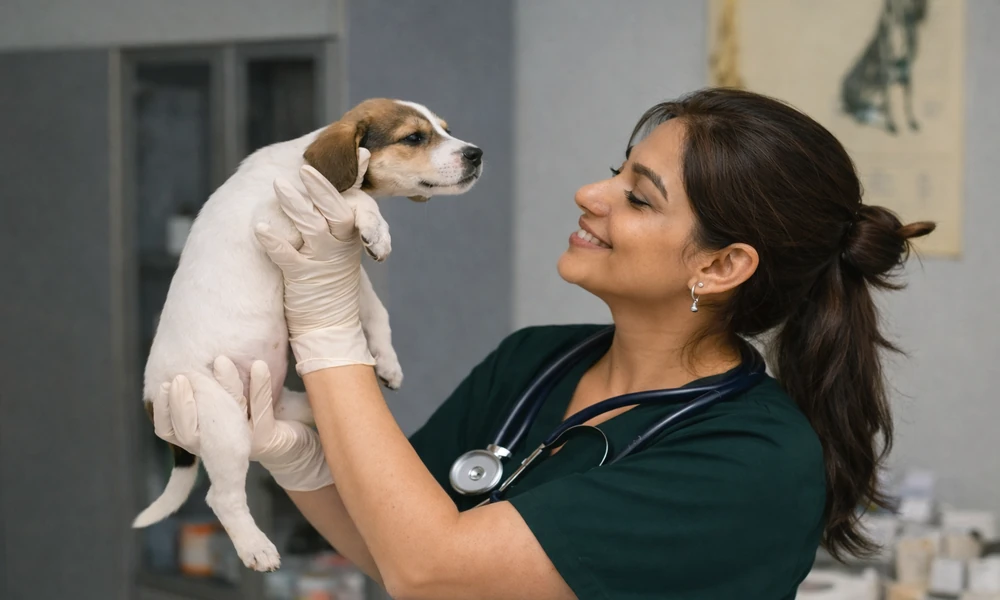
You know the moment. Your pet is already tense in the parking lot, then the exam room door closes, the scale comes out, and everything gets harder. At Newmarket animal clinic, a dog plants their feet and refuses to move. A cat presses into the carrier and will not come out. An older pet with arthritis looks willing but simply cannot step up without pain. That part of the visit can feel small, but it affects everything that follows.
Weight is not a minor detail in an animal clinic. It guides medication doses, anesthesia plans, fluid needs, and how your pet’s overall health is tracked over time. When a pet is fearful or has trouble standing, getting that number safely takes more care than many owners realize. Good clinics do not force the process when a calmer, smarter option exists. They adapt, they reduce stress, and they protect your pet’s body while still getting an accurate reading.
Animal clinics adjust the weighing process to protect both comfort and accuracy
A standard floor scale works fine for many pets, but nervous animals and pets with mobility limits often need a different approach. Fear can change behavior fast. A dog that is gentle at home may freeze, scramble, or try to bolt. A cat may twist, crouch, or breathe fast enough that the whole visit starts going downhill before the exam even begins. Pets in pain can have the same reaction, except their struggle is not fear alone. They may be trying to avoid pressure on sore joints, weak legs, or an injured spine.
That is why many clinics build the weigh in around the pet, not the other way around. The goal is not just to get a number. The goal is to get a number without turning the visit into a fight. Cornell’s guidance on making veterinary visits less stressful for dogs reflects this larger idea. Less fear usually means safer handling and better care.
The first technique is using low profile or walk on scales. These sit close to the floor, so a pet does not have to step up high or balance on a narrow platform. For a senior dog with hip pain, that small change matters. For a nervous dog, it feels less like being pushed onto something unfamiliar. Some clinics also place a towel or non slip mat on the scale if the surface feels slick underfoot.
The second technique is weighing the pet in a carrier, stroller, sling, or on a support pad, then subtracting the container weight. This works especially well for cats, rabbits, and small dogs that panic when lifted out too soon. It also helps pets who cannot stand safely on their own. Ohio State’s feline handling advice supports the same principle of reducing stress by allowing pets to stay in a secure space when possible, especially during transitions like transport and handling. You can read more about that approach here.
The third technique is using team assisted weighing for larger pets with weakness or balance problems. One staff member steadies the front end, another supports the rear, and the pet is guided slowly onto the scale without twisting or sudden pulling. In some cases, clinics use a harness or belly support. This is common in a veterinary clinic weighing nervous pets because control matters, but calm control matters more than speed.
The fourth technique is timing. Staff may delay the weight until your pet has had a few minutes to settle, or they may take it after the exam if the pet is calmer then. Some clinics use treats, quiet rooms, dimmer lighting, or fewer people in the space. Virginia Tech’s tips for stress free veterinary trips point to the same truth. Stress starts before the scale, often during the car ride and the waiting room, and clinics that account for that usually get better results.
Weight techniques differ depending on fear, pain, and body size
The hardest part for many owners is that the problem can look the same from the outside. A pet that refuses the scale may seem stubborn, but fear, pain, confusion, and weakness can all produce that same refusal. A young rescue dog may panic because the floor vibrates. A large breed senior may want to cooperate but cannot shift weight onto arthritic knees. A cat recovering from surgery may stay tucked in the carrier because every movement hurts.
That difference matters because the wrong approach can make the next visit worse. If a frightened pet gets dragged onto the scale, they may remember that spot the next time they enter the clinic. If a painful pet is lifted awkwardly, the visit can cause a flare up that lasts for days. A good pet weighing method at the vet is built around what the pet is showing in real time.
Practical ways clinics compare weighing options for stressed or limited pets
| Technique | Best For | Main Benefit | Possible Limitation |
|---|---|---|---|
| Low profile floor scale | Large dogs, senior pets, mild anxiety | Less climbing and less strain on joints | Still may not work for pets who freeze or panic |
| Carrier or stroller weighing | Cats, small dogs, rabbits, post op pets | Keeps pet in a familiar enclosed space | Requires subtracting container weight accurately |
| Supported team weighing | Large weak pets, pets with neurologic issues | Improves safety and balance | Needs enough trained staff to assist properly |
| Delayed or calming first approach | Fearful pets of any size | Often lowers stress and improves cooperation | Takes more time during a busy visit |
This is where 4 Techniques Animal Clinics Use To Weigh Nervous Or Mobility Impaired Pets becomes more than a list. The best option depends on whether your pet is scared, sore, unstable, or all three. In a general animal clinic, staff may combine several techniques in one visit. A dog might start with a low step scale, then need rear support. A cat might stay in the carrier for the official weight, then come out later once the room is quiet.
Three steps you can take before the next animal clinic visit
Tell the clinic about the problem before you arrive. Say clearly whether your pet is fearful, arthritic, recovering from surgery, or unable to step up. That gives the team time to prepare a low scale, extra staff support, or a room that reduces waiting time.
Bring the equipment your pet already trusts. A familiar carrier, harness, blanket, sling, or stroller can make weighing easier and safer. If your pet uses a rear support harness at home, bring it. That is often the simplest way to support mobility during the visit.
Practice calm weight related handling at home. Reward your pet for standing on a mat, walking over a flat board, entering the carrier, or being gently supported under the belly. You are not training for perfection. You are lowering the shock of the clinic routine, which helps with weighing pets at the vet far more than people expect.
Calmer weighing helps the whole visit go better
If your pet struggles with the scale, you are not overreacting by worrying about it. That small moment can set the tone for the whole appointment. The good news is that clinics have better options than forcing a frightened or painful pet through the standard routine. Low profile scales, carrier weights, team support, and calmer timing all help protect your pet while still giving the medical team the number they need.
When you schedule your next animal clinic visit, mention the issue early and ask what weighing method they can use for your pet. A little planning can turn the hardest part of the visit into something much more manageable.