
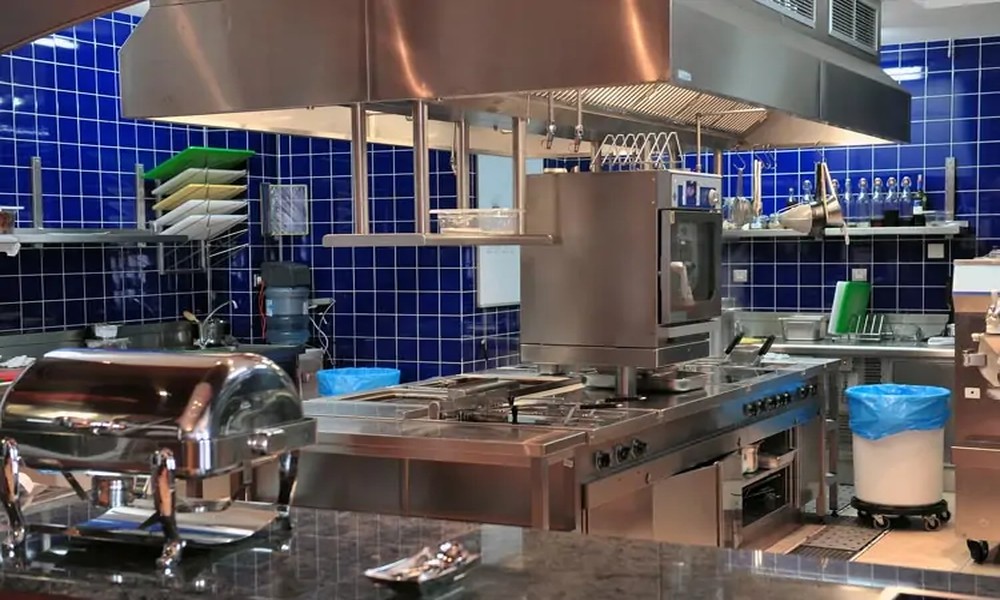
Starting a food service setup requires careful planning and smart decisions about the tools used daily. Proper selection helps improve workflow, reduce delays, and support steady output. Good tools also help maintain quality and reduce waste over time. Understanding needs before buying saves cost and prevents future problems. The use of f&b kitchen equipment plays a key role in keeping operations smooth and reliable. Every item should match the size of the work, staff ability, and long-term goals. With the right choices, work becomes easier and more efficient each day.
What defines proper equipment selection?
Proper selection depends on the size of operations, type of service, required output, and available space to ensure efficient workflow daily.
How does size affect efficiency?
Correct-size tools help avoid overcrowding, support easy movement, improve speed, and allow staff to work smoothly without delays.
Why is durability important here?
Strong materials reduce repair needs, support long use, lower replacement costs, and keep daily work running without unexpected interruptions.
How does energy use impact costs?
Efficient tools reduce power use, lower expenses, support long-term savings, and help maintain steady performance without excessive resource use.
What steps help new owners?
Follow clear steps to select useful tools and create a setup that supports smooth daily operations.
- Plan layout carefully to ensure tools fit well and support easy movement within the working area.
- Set a clear budget to choose suitable tools without overspending or missing important items for operations.
- Focus on quality materials that support long-term use and reduce the chances of damage during daily work.
Why should safety standards matter?
Safe tools protect staff, reduce risks, improve confidence, and support smooth work without accidents or unsafe situations.
What features improve daily workflow?
Useful features save time, reduce effort, improve accuracy, and support faster completion of daily tasks within busy schedules.
Why is flexibility important in tools?
Flexible tools support different tasks, reduce the need for extra items, save space, and improve overall efficiency in operations.
How does staff skill impact choices?
Simple tools match skill levels, reduce training time, improve output, and help staff work confidently without confusion.
Why consider future growth needs?
Planning ensures tools remain useful, support expansion, reduce upgrades, and help maintain smooth operations as demand increases.
How to begin the basic setup?
Start with simple tools that support smooth workflow and help build a stable base for daily operations.
- Choose tools that match work size and support steady output without causing delays or extra effort daily.
- Select items that are easy to use and help reduce training time for staff during busy working hours.
- Focus on tools that save space and allow easy movement within the working area for better workflow.
Choosing the right tools helps create a strong base for steady operations and improved output. Careful planning supports better use of space, reduces effort, and ensures a smooth workflow daily. Balanced decisions help avoid waste and improve efficiency across tasks. Regular review of tools ensures they remain useful and support growth over time. Using f&b kitchen equipment wisely helps maintain reliable performance, reduce problems, and support long-term success. Simple steps and thoughtful choices create a system that works well and supports consistent progress in daily operations.