
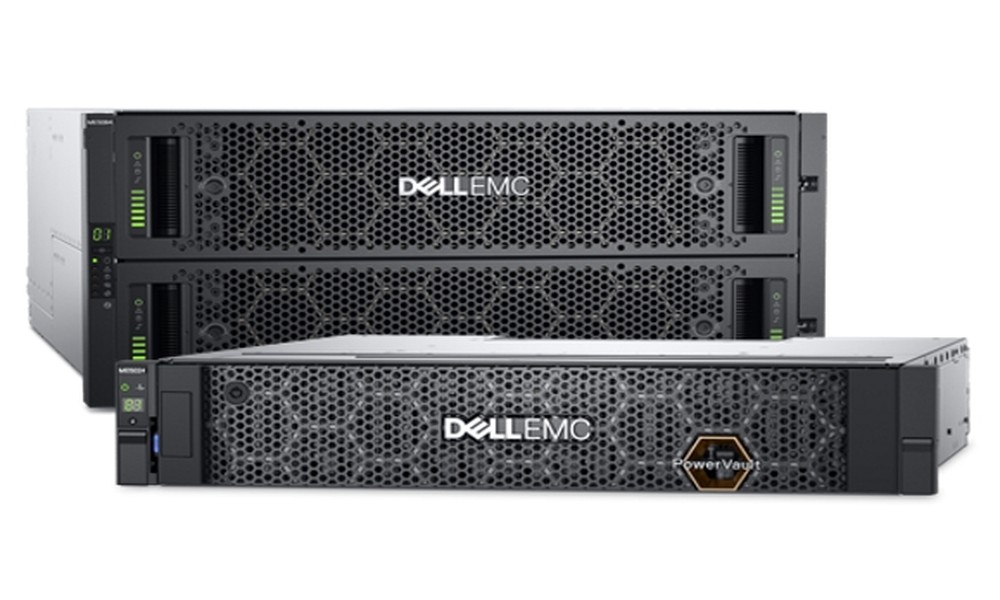
As data has become a critical asset for organizations, choosing a data storage system requires careful consideration. In particular, deciding between an on-premise storage solution such as the Dell PowerVault ME5012 and cloud-based storage is an important decision, as both options come with distinct advantages and limitations.
This article will walk you through 9 key considerations to help determine which option is more secure, cost-effective, and best suited for your business needs.
1. Initial Cost
In terms of initial cost, cloud storage has a clear advantage because it does not require upfront investment in hardware or installation systems. Businesses can start using it immediately and pay based on actual usage. In contrast, on-premise systems such as the Dell PowerVault ME5012 require a relatively high initial investment, including hardware, storage infrastructure, and system installation. However, businesses that aim to control long-term budgeting often tend to prefer on-premise solutions, as costs are more predictable and not subject to monthly usage fluctuations.
2. Long-term Cost
After the system is installed, the Dell PowerVault ME5012 incurs fixed costs for maintenance, spare parts, and electricity required to operate the system, which allows organizations to plan their budgets more clearly. In contrast, cloud storage operates on a continuous subscription-based model, and costs may increase depending on data usage or additional services. If an organization experiences rapid data growth, cloud expenses can rise unexpectedly, making it necessary to closely monitor and control usage.
3. Data Security
The Dell PowerVault ME5012 allows organizations to have full control over their data, including access, storage, and security policies, which significantly reduces the risk of external breaches. In contrast, cloud storage offers advanced and highly standardized security systems but still relies on third-party service providers for overall system management. Therefore, organizations dealing with highly sensitive or critical data often prefer on-premise solutions like the Dell PowerVault ME5012 in order to maintain full control over their data and ensure compliance with internal security policies.
4. Performance
The Dell PowerVault ME5012 delivers very high performance and speed because it is directly connected within the organization, enabling fast and stable data transmission. In contrast, cloud storage relies on internet connectivity, which may introduce latency in certain situations, especially when the network is unstable. Therefore, workloads that require real-time processing or are highly time-sensitive are generally better suited for on-premise storage like the Dell PowerVault ME5012, as it provides faster and more consistent response times within an enterprise environment.
5. Scalability
Cloud storage allows for easy scalability by simply upgrading the subscription package. In contrast, the Dell PowerVault ME5012 requires additional hardware or expansion units to increase storage capacity. As a result, cloud solutions are often more suitable for businesses with rapid and unpredictable growth, as they offer greater flexibility and easier resource expansion without the need for physical infrastructure changes.
6. Control & Management
Dell PowerVault ME5012 allows organizations to have full control over the entire system, including configuration, data management, and security policies, making it highly suitable for businesses that require strict internal governance and operational independence.
In contrast, cloud solutions are managed by the service provider, who is responsible for maintaining and operating the underlying infrastructure. Because of this difference, organizations that require a high level of customization, specific system configurations, or tailored security policies often prefer on-premise solutions like the Dell PowerVault ME5012, as they provide greater flexibility and complete control over how the system is designed and operated within the organization.
7. Availability
Cloud storage typically provides multiple data center backups, which helps reduce the risk of downtime and ensures higher service availability even if one location experiences an issue. In contrast, the Dell PowerVault ME5012 depends on the organization’s internal infrastructure, so if there is a power outage or system failure, it may directly affect accessibility. However, on-premise systems can still achieve strong resilience if properly designed, as organizations can implement additional backup strategies and disaster recovery (DR) solutions to enhance data protection and system continuity.
8. Legal Security and Compliance
The Dell PowerVault ME5012 is well-suited for organizations that need to store data within the country or comply with strict regulations such as PDPA, as it allows full control over where and how data is stored. In contrast, some cloud systems may store data in overseas data centers, which requires additional checks to ensure compliance with legal and regulatory requirements.
As a result, industries with strict data governance needs, such as finance and healthcare, often prefer on-premise storage solutions because they provide greater control, security assurance, and easier alignment with internal and national compliance standards.
9. Business Fit
Dell PowerVault ME5012 is suitable for medium to large organizations that already have an internal data center or a dedicated IT team capable of managing and maintaining the system, as it requires technical expertise and structured infrastructure management. In contrast, cloud storage is more suitable for startups or businesses that prioritize flexibility and speed of deployment, since it reduces the need for in-house IT infrastructure and allows faster scaling. Therefore, the best choice should not be based on price alone, but rather on the actual usage patterns, operational requirements, and long-term business strategy of the organization.
Both Dell PowerVault ME5012 and cloud storage have distinct advantages. Therefore, the choice should be based on budget, required level of security, and the organization’s actual usage patterns to ensure a storage system that is both efficient and cost-effective in the long term. If an organization requires high processing speed, full data control, and enterprise-grade security, the Dell PowerVault ME5012 is a highly suitable option. In addition, if you are looking for an enterprise storage solution and need guidance in selecting the most appropriate system for your requirements, you can find more information from Quickserv to help support a more confident decision-making process.