
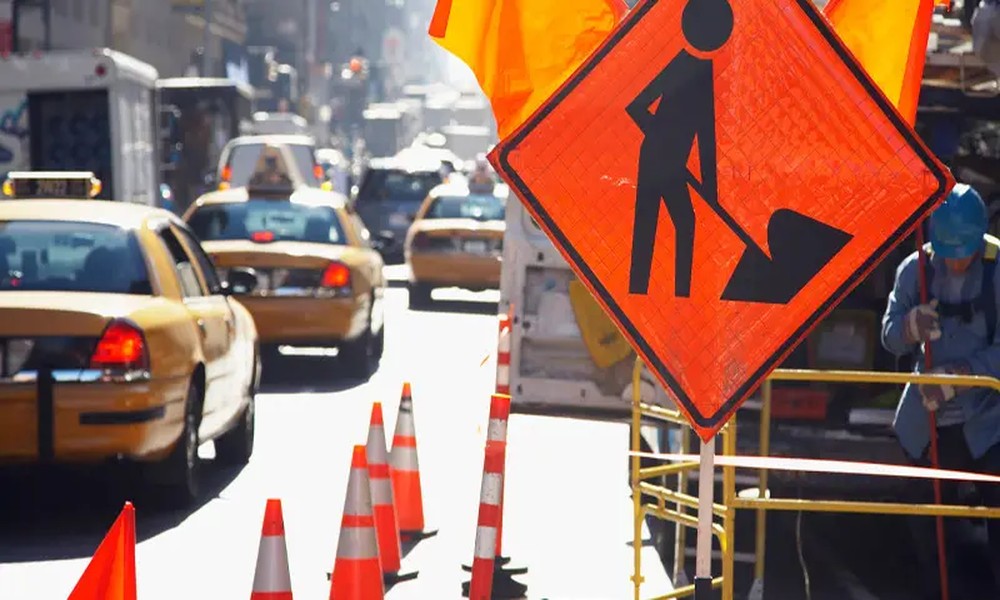
Rush hour draws out a hidden choreography on major roadways, and at the heart of the movement are traffic control crews. Their task seems simple from a distance: redirect vehicles, maintain order, keep everyone safe. But step into their high-visibility vests for a day, and the reality is far more complex.
The Complex Environment of Busy Roadways
Understanding Traffic Flow Dynamics
Every road tells its own story. Four-lane highways channel relentless streams of commuters, while winding suburban streets pulse with unpredictable stops and starts. Traffic crews must read these flows in real time, anticipating surges, lulls, and the impatient maneuvers of hurried drivers.
Types of Roadways and Their Specific Challenges
A multilane arterial road demands different tactics than a rural two-lane highway. Crowded urban streets mean space is scarce and sightlines are short, increasing risks for both workers and motorists. In contrast, rural roads might lull drivers into a false sense of security, raising the risk of high-speed incidents when crews suddenly appear in view.
Impact of Peak Hours and Seasonal Variations
Rush hours compound the intensity, turning routine closures into delicate operations. Winter brings ice, snow, and reduced visibility, while summer heat accelerates fatigue for crews standing for hours in direct sun. These seasonal swings force constant adaptation in both tactics and equipment.
Safety Risks and Protective Measures for Traffic Control Crews
Exposure to Moving Vehicles and Accident Risks
Every crew member works just feet away from vehicles traveling at highway speeds. A single distracted driver or a sudden lane change can have devastating consequences. Flagger positions, in particular, are perilous, as they stand between moving traffic and the work zone with little margin for error.
Personal Protective Equipment and Safety Protocols
High-visibility clothing, hard hats, gloves, and steel-toed boots form the first line of defense. But safety is a system, not just a set of gear. Rigid adherence to standardized protocols, proper signage placement, barrier use, and safe work zone setups, dramatically reduces incidents but demands constant vigilance.
Communication Systems and Alert Mechanisms
Hand signals alone are not enough amidst engine noise and honking horns. Two-way radios, alert beacons, and even mobile apps keep crews connected and aware of changing hazards. Quick, clear communication is crucial when a situation shifts or a vehicle breaches the work zone.
Operational Challenges in Lane Closures and Traffic Management
Planning and Implementing Lane Closures
Lane closures are rarely straightforward. Even a planned shutdown can snarl traffic if not perfectly timed and clearly marked. Crews must balance efficiency with safety, often working overnight or during off-hours to minimize disruption.
Managing Two-Lane Roads and Flagging Procedures
On two-lane roads, flagging teams orchestrate traffic in alternating directions, using hand-held signs and radios to keep vehicles moving. This dance can become chaotic when impatient drivers ignore signals or when poor weather reduces visibility.
Adapting to Unexpected Conditions and Emergencies
Unexpected events, a vehicle breakdown, emergency response, sudden storms, can upend the most meticulous traffic control plan. Crews pivot rapidly, sometimes redesigning their approach on the fly to protect both workers and travelers.
Coordination with Municipalities and Compliance Issues
Navigating Road Occupancy Permits and Regulations
Any work within the public right-of-way means paperwork and permissions. Municipalities require detailed plans for closures, often with strict requirements drawn from local regulations and safety manuals.
Designing and Executing Traffic Control Plans
A one-size-fits-all approach will not suffice. Experts like those behind Salus Traffic Control services create site-specific plans, blending regulatory know-how with on-the-ground experience. These plans map out every cone, sign, and flagger position, tailored to each job’s unique demands.
Working with Law Enforcement and Emergency Services
Traffic crews often collaborate with police and paramedics, especially during large-scale projects or emergencies. Quick coordination can mean the difference between chaos and controlled flow, especially when every second counts.
Equipment and Technology in Traffic Control
Essential Equipment for Traffic Control Crews
Beyond cones and signs, crews rely on illuminated arrow boards, portable traffic signals, crash attenuators, and advanced PPE. Reliable vehicles are essential for rapid deployment and safe removal after the job.
Innovations in Traffic Management Technology
New technologies offer real-time traffic monitoring, automated flagging devices, and digital communication platforms. These innovations promise safer, more efficient work zones, but crews must remain adaptable as tools and protocols evolve.
Equipment Maintenance and Rental Considerations
Broken equipment can put everyone at risk. Regular inspections, timely repairs, and access to high-quality rentals ensure that crews have what they need when it matters most.
Human Factors and Workforce Challenges
Training and Skill Requirements for Crews
Certified training is non-negotiable. Crews must understand not only equipment operation but also human behavior, situational risk assessment, and emergency response. Experience hones quick decision-making skills.
Managing Fatigue and Stress in High-Stress Environments
Long shifts, noise, and close passes by heavy vehicles take a toll, physically and mentally. Managing breaks, rotating tasks, and supporting crew well-being are essential for safety and performance.
Team Coordination and Leadership on the Road
Clear leadership and teamwork anchor every successful operation. A skilled supervisor sets the tone, ensuring every member knows their role and can act swiftly when the unexpected occurs.
Special Event Traffic Control and Unique Scenarios
Handling Parades, Festivals, and Film Productions
Temporary events mean unique traffic patterns and elevated risk. Crews must anticipate unfamiliar pedestrian flows, sudden surges of vehicles, and public confusion.
Customizing Traffic Plans for Special Events
No two events are alike. Detailed, customized traffic plans allow for flexibility and rapid reconfiguration as conditions shift.
Balancing Public Convenience with Safety Demands
Ultimately, traffic control crews walk a tightrope: minimize inconvenience for the public while protecting lives on both sides of the barrier. This balance is demanding and dynamic, requiring skill, vigilance, and constant adaptation.
Every cone placed and every flag waved is backed by careful strategy, hard-earned experience, and the relentless pursuit of safety. It is an invisible art, and a daily battle, carried out in plain sight.