
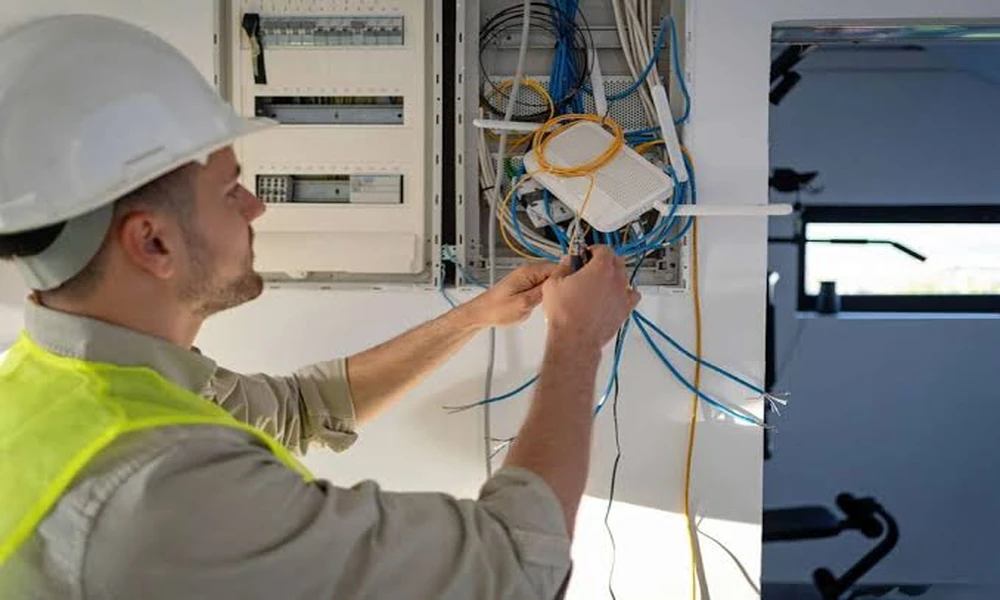
The lead technician has been with the company nineteen years. He trained half the current crew. He knows which hospital’s generator needs a gentle hand on the transfer switch, and which client always calls at four on a Friday. When rumors of a sale start, he’s the first person the owner worries about.
That worry is exactly where a sale should start. Partnership pages like https://power-champions.com/partners put employee growth right alongside capital and operational support. That emphasis is worth testing in real conversation before anything gets signed.
Why Employees Are the Real Asset
In service trades, the value of a business drives home every evening in the techs’ trucks. Customer trust lives with the people who show up. Contracts can be transferred on paper. Relationships can’t.
So a sale that unsettles the crew can quietly destroy what the buyer paid for. Owners who’ve built something worth selling usually sense this. They just need to know which questions to ask.
Three Kinds of Buyers, Three Different Outcomes
Not all buyers treat a team the same way. Roughly speaking, owners in this trade tend to meet three types.
- A competitor buying to grow market share
- A financial buyer looking for returns over a set period
- A strategic partner building a network of local companies
A competitor usually has its own crew and systems already. Duplicate roles, especially in the office, can get cut. Field techs may be kept but moved over to a new brand and new procedures.
A financial buyer generally wants the business to keep running well, at least until they sell it on. Changes tend to focus on efficiency and margins. That can be fine for staff, or tough, depending on the playbook.
A strategic partner building a network typically wants the local team to stay intact. The whole model depends on keeping the name and the relationships customers already trust.
None of these is automatically good or bad. The differences just matter a lot to the people on the payroll.
What Good Continuity Looks Like
When a sale goes well for employees, a few things usually happen.
- Pay and benefits hold steady or improve
- Familiar managers stay in place
- New systems arrive with real training, not just a login
- Techs get a visible path to move up
One founder who partnered with a network said his staff saw better pay and benefits from the first day. That’s about as concrete as continuity gets.
Questions to Put to Any Buyer
Owners comparing offers can treat the FAQ section at https://power-champions.com/partners as a starting checklist. It raises employee retention and career development, along with leadership continuity and culture. Then push further with specifics.
- Will anyone’s role be eliminated in the first year?
- How do your benefits compare with what my team has now?
- Who will my lead techs report to?
- What training budget is set aside for this location?
- What happened to staff at the last company you bought?
That last question is the most revealing. A buyer with a good track record will happily connect you with owners they’ve partnered with before.
Culture Is Harder to Hand Over Than Equipment
You can hand over trucks and a customer database in an afternoon. Culture is different. It lives in how the shop handles a 2 a.m. emergency call, and in whether the boss knows everyone’s kids by name.
Buyers who talk about values a lot should be able to show how those values work day to day. Ask to speak with technicians at companies they already own, not just the former owners. Technicians’ answers tend to be blunter.
The Lead Tech, a Year Later
Back to the technician with nineteen years in. In the version of this story that goes right, he’s still there. Same trucks, same clients, maybe a better health plan. And for the first time, there’s a training budget to bring on two apprentices. The owner sold the company. But the thing that made it worth buying stayed exactly where it was.