
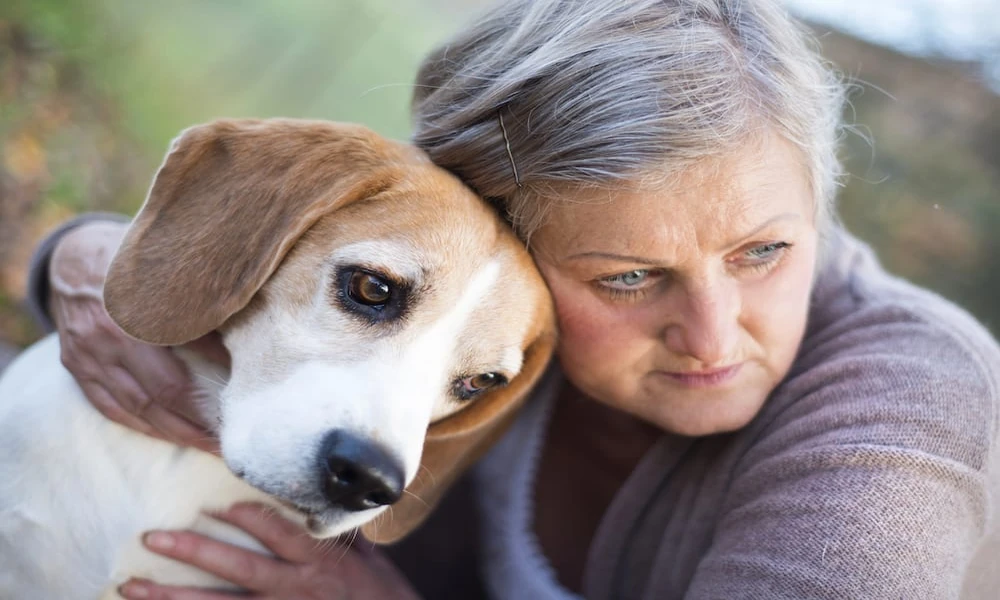
You may be waking up each day already braced for the next hard choice. Another medication. Another test. Another night of listening for your pet’s breathing. Then the guilt hits from both sides. At Chicago Heights animal hospital, if you keep treating, you worry you are doing it for yourself. If you stop, you worry you are giving up too soon.
That pressure can make every decision feel loaded with shame. The truth is simpler and harder at the same time. Choosing treatment for a sick pet is not selfish by default, and choosing to stop is not a failure. The real question is whether your pet still has enough comfort, connection, and dignity for treatment to serve them, not just the hope of more time for you.
Families often need room to hold two truths at once. You love your pet deeply, and love does not always point in one obvious direction. Good decisions usually come from watching your pet’s daily life closely, speaking honestly with your veterinary team, and accepting that quality of life matters as much as length of life.
Guilt and hope often show up at the same time in pet end of life decisions
Hope is not the enemy here. It is normal to hope the new medication works, the appetite returns, or the bad week turns around. Guilt slips in when hope starts to blur what your pet is actually experiencing. A dog with advanced cancer may still wag at the door, yet spend most of the day nauseated, weak, or unable to rest. A cat with kidney disease may still purr when held, yet stop grooming, hide more, and struggle to eat.
This is why pet quality of life decisions are so painful. The signs are rarely all good or all bad. You are not choosing between love and cruelty. You are weighing burden against benefit over and over again.
Research supports what many families already feel. A Cornell report on emergency decisions for pets found that quality of life strongly drives owner choices in crisis situations. People are not simply asking, “Can we do more?” They are asking, “What is my pet living through right now?” That is the right question.
Money can add another layer of pain. If treatment is expensive, you may feel ashamed for even thinking about cost. Yet finances are part of real life. A treatment plan that drains savings, creates conflict at home, or cannot be sustained for long may not be a humane plan for anyone. Love is not measured by how much debt you take on. It is measured by the care, honesty, and mercy you bring to the decision.
Ongoing treatment is compassionate when the benefits still outweigh the burden
There are many cases where continuing care makes sense. A pet with heart disease may respond well to medication and still enjoy walks, meals, and family time. A dog recovering from surgery may have a rough week, then return to a life that still feels like their life. Chronic illness does not automatically mean suffering, and palliative care can offer comfort even when cure is no longer possible.
The harder cases are the ones where treatment extends time but also extends distress. Repeated hospital visits, painful procedures, loss of appetite, accidents in the house, panic at night, and withdrawal from things your pet once loved can tell a different story. If your pet is spending more days enduring life than enjoying it, treatment may no longer be serving its original purpose.
That is often when families start asking about euthanasia. The guidance from the University of Illinois on saying goodbye to a pet is grounded and humane. Euthanasia can be a loving decision when pain, fear, or decline can no longer be managed in a way that gives your pet comfort and peace.
Clear quality of life signs help families make better animal hospital decisions
When emotions are loud, specific observations help. Look at patterns over several days, not one hopeful afternoon or one terrible night. Keep notes on eating, drinking, mobility, breathing, sleep, interest in family, toileting, grooming, and pain control. Ask yourself whether your pet still seems engaged with life or mostly trapped inside discomfort.
| Sign to Track | Continuing Treatment May Make Sense | Reassessment Is Urgent |
|---|---|---|
| Appetite | Eats willingly most days, enjoys treats, nausea controlled | Refuses food often, force feeding needed, ongoing vomiting |
| Pain and breathing | Comfortable at rest, pain medication works, breathing calm | Persistent pain, panting, labored breathing, rest is hard |
| Mobility | Can get up, move, and toilet with manageable help | Frequent falls, cannot rise, distress during movement |
| Daily enjoyment | Seeks affection, notices family, enjoys familiar routines | Withdrawn, confused, hiding, little interest in surroundings |
| Good days versus bad days | Good days clearly outnumber bad ones | Bad days are increasing or becoming the norm |
This kind of tracking gives your animal hospital team something concrete to work with. It also protects you from making a major choice based only on fear, guilt, or one comment from a well meaning relative.
Three steps can bring clarity when treating a sick pet feels selfish
1. Ask for a direct quality of life conversation. Tell your veterinarian you need honesty, not vague reassurance. Ask what your pet is likely feeling, what improvement is realistic, and what signs would mean treatment should stop. If the plan is comfort care, ask what comfort actually looks like day to day.
2. Keep a simple daily log. Use a notebook or phone note. Rate appetite, pain, mobility, breathing, sleep, and interest in family from one to five. After a week, the pattern is often clearer than your memory. This is one of the best tools for deciding when to stop treatment for a pet without second guessing every moment.
3. Prepare for grief before the final decision. Anticipatory grief can feel like dread, numbness, irritability, or panic. That does not mean you are choosing wrong. Support matters. If you need help coping, the SAMHSA resource on coping with the loss of a pet offers useful guidance.
Love is not measured by how long you can keep treatment going
The fear of being selfish usually comes from love, not from selfishness. You are trying to protect a life that matters to you. Sometimes that means more treatment. Sometimes it means a peaceful goodbye. The kindest path is the one that keeps your pet at the center of the decision, with clear eyes about comfort, suffering, and what each extra day truly holds.
If you are facing is it selfish to keep treating my sick pet thoughts right now, slow the decision down enough to gather facts, then be gentle with yourself. A caring veterinary team at an animal hospital can help you weigh hope against burden and choose the next step with less fear and more peace.