
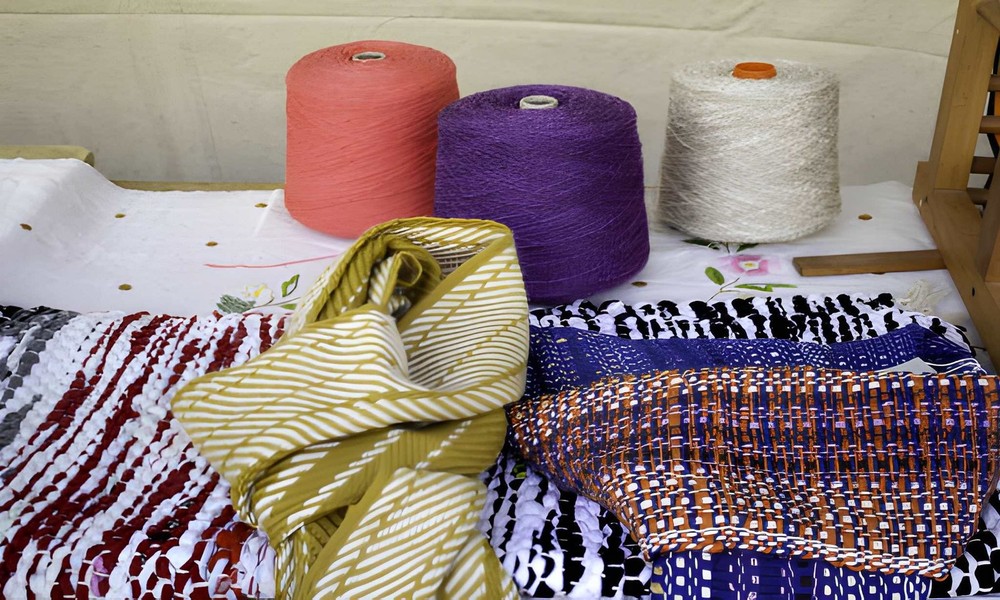
The New Logic of Modern Textiles with Recycled Yarn
Some materials are noticed. Others are relied on. Recycled yarn is quietly becoming one of the most relied-on materials in today’s textile world.
In 2026, the conversation is no longer just about creating new fabrics it’s about creating them more thoughtfully. Recycled yarn reflects this change in mindset. It takes what already exists and gives it another purpose, without interrupting how products look, feel, or perform.
It doesn’t try to reinvent everything. It simply improves what’s already there.
Where It All Begins
Recycled yarn starts with materials that have already been used once. Old garments, leftover fabric from production, and even plastic waste are collected and processed into fibers again.
Those fibers are then cleaned, refined, and spun into yarn that can be used across different types of textiles.
What stands out is how normal it feels in the end. There’s no obvious difference in appearance or usability. The transformation happens quietly, but the impact is real.
Why It Fits the Present Moment
People today are making more conscious choices, even in small ways. They’re looking for products that last longer, waste less, and make practical sense.
Recycled yarn fits into this shift because it offers balance:
- It reduces pressure on raw resources
- It helps manage existing waste
- It supports long-term product use
- It works across multiple industries
- It keeps production efficient
It’s not about changing habits completely. It’s about improving them.
Everyday Impact You Don’t Always Notice
Recycled yarn shows up in simple, familiar ways.
- A sweatshirt that stays soft after multiple washes
- A shopping bag that feels strong without being bulky
- Curtains that maintain their structure over time
- Sportswear that dries quickly and feels light
- Rugs that handle daily movement without wearing out fast
These are everyday experiences, but they shape how people trust the products they use.
Recycled yarn supports those experiences without asking for attention.
Fashion has started to move toward materials that combine comfort, performance, and responsibility. Recycled yarn fits easily into that direction.
It is now used in:
- Relaxed everyday clothing
- Lightweight seasonal wear
- Breathable activewear
- Travel-friendly outfits
- Minimal, long-lasting wardrobe pieces
What’s changed is the quality. Modern recycled yarn can now match expectations without feeling like an alternative.
Designed for Real Living Spaces
In homes, fabrics need to handle more than just appearance. They deal with constant use, exposure, and cleaning.
Recycled yarn works well in this space because it offers consistency and durability without extra maintenance.
You’ll find it in:
- Upholstery that holds its form
- Curtains that resist wear
- Cushion covers that stay intact
- Bedding that balances comfort and strength
- Decorative fabrics that last longer
It supports everyday living in a practical, low-effort way.
Strong Enough for Functional Use
Recycled yarn is also being used more in functional and utility-based products.
It appears in:
- Backpacks and travel gear
- Outdoor fabrics
- Automotive interiors
- Industrial textiles
- Packaging materials
Its strength and flexibility make it reliable in situations where materials need to perform repeatedly.
A More Practical View of Sustainability
The idea of sustainability has become more grounded. Instead of focusing only on labels, people are looking at real outcomes.
Recycled yarn supports this approach by:
- Reducing landfill waste
- Extending the life of existing materials
- Lowering the need for new resource extraction
- Supporting more efficient production cycles
- Encouraging reuse over disposal
It’s not about being perfect. It’s about making better use of what already exists.
Why It Works for Production
From a manufacturing point of view, recycled yarn offers stability. And stability is essential for consistent output.
It provides:
- Reliable material quality
- Flexibility across product designs
- Balanced cost efficiency
- Compatibility with existing systems
- Consistent performance in finished goods
That’s why more manufacturers are including it as part of their long-term production strategies.
What Comes Next
Recycled yarn continues to improve as technology evolves. The focus now is on refining its performance and expanding its possibilities.
We’re beginning to see:
The goal is simple to make recycled yarn feel like the standard, not the alternative.
Final Thoughts
Recycled yarn doesn’t stand out in obvious ways. It blends into everyday products and supports them quietly.
It helps create clothing that lasts, home textiles that hold up, and products that make better use of resources. It does all this without changing how people interact with the things they use.
In 2026, that kind of quiet reliability matters more than ever. No extra noise. No unnecessary complexity. Just a material that does its job-efficiently, responsibly, and consistently.